Cross Border Payments 2023 Guide
Cross border payments are all over: this is how they operate and these are the challenges these transactions face in a dynamic market.

Find below
What are cross border payments?
Cross border payments are essentially transactions involving individuals, companies, banks, or settlement institutions operating in at least two different countries, constituting international transactions.
The key part here is these cross border payments include both retail and wholesale transactions. Now, there’s a lot more to it, so keep reading as we decipher the basics of these payments and touch on invoice generation, with platforms such as Xemogo.
Cross border payments challenges
Despite being fundamental to international finance and economic activities, cross-border payments face enduring challenges, including high costs, low speed, limited access, and a lack of complete transparency.
The persistent inefficiencies result in expensive transaction fees and complex, time-consuming payment processing methods.
The reality is enhancing cross border payments is imperative for addressing these challenges and making them faster, cheaper, more transparent, and inclusive.
Such improvements hold the potential to generate widespread benefits, supporting economic growth, global trade, development, and financial inclusion. However, implementing practical and competitive cross-border payment strategies globally necessitates coordinated efforts on an international scale.

The changing shape of cross border payments
Various trends are driving the demand for a more robust global international payments system, emphasizing the need for end users to access cross-border payment services that are as efficient and secure as domestic payment services.
Emerging business models and participants are shaping the evolving landscape of cross-border payments. Let’s delve into some influential trends.
1. Changing consumer demands
The dynamic evolution of the cross-border payments market is intricately linked to swiftly changing consumer demands. Consumers, cognizant of their expanding choices, exhibit less willingness to bear the brunt of expensive banking services.
Simultaneously, they anticipate their international payment processes to be swift, secure, and user-friendly.
The surge in smartphone usage and the popularity of digital access points, such as alternative payment methods (APMs) for remittances, have introduced new expectations. Incumbents are grappling to meet these demands, paving the way for alternative solution providers offering faster, cheaper, and more transparent cross-border payment solutions to gain a competitive edge over traditional banks.
2. Escalating trade with emerging markets
As their slice of international transactions expands, another prominent trend within the realm of cross-border payments is the heightened emphasis on emerging markets in Africa, Latin America, and Asia.
Initiatives like the African Continental Free Trade Area and China’s Belt and Road Initiative are propelling global cross-border trade growth. Conversely, protectionist policies in developed markets, including Brexit and US trade tensions, are anticipated to decelerate growth.
3. Mobile Phone Accessibility and ePayments
The surge in smartphone ownership worldwide has bestowed nearly boundless access to banking services and ePayment solutions upon people, with mobile wallets exhibiting substantial, consistent growth.
Other pivotal factors influencing the growth of cross-border payments encompass:
- Manufacturers expanding supply chains across borders
- Cross-border asset management and global investment flows
- Increasing international trade and e-commerce
- Migrants sending money via international remittances
How cross border payments operate
International transactions entail a level of complexity surpassing fund transfers in domestic payment scenarios. Frequently, multiple banks participate in the fund transfer from one country to another, incurring substantial bank fees at each payment gateway.
Additionally, considerations such as exchange rates between different currencies and local taxes for each country loom large.
Some of the most prevalent cross-border payment methods encompass bank transfers, credit card payments, and alternative payment methods, including eWallets and mobile payments.
Bank transfers
Termed wire transfers, a straightforward cross-border transaction utilizing accounts held at each bank involves a payment message instructing the debit of an account in Bank A and the crediting of an account in Bank B.
However, not all banks maintain a direct relationship, prompting transactions through an intermediary or a correspondent banking network. A correspondent bank facilitates the transaction by providing accounts for both Bank A and Bank B, constituting an indispensable component of the global payment system for cross-border transactions.
Credit card payments
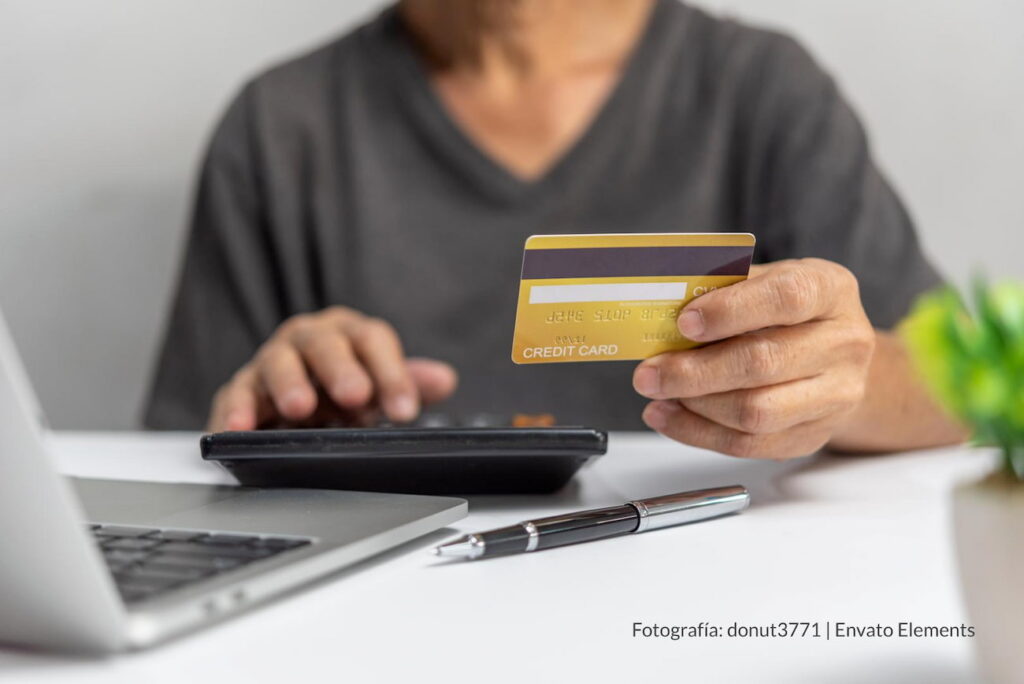
Credit cards play a pivotal role in cross-border payments and are a favored choice for many consumers. From the consumer’s standpoint, they input their card details and await verification of the transaction.
Behind the scenes, akin to any payment process in the global financial landscape, there is a more intricate process. Cross-border payments demand heightened efforts from credit card networks and acquiring banks as they navigate currency conversions, incurring additional fees passed down the payment chain.
eWallets
Accessible through apps for smart devices, eWallets such as PayPal, Neteller, Alipay, Apple Pay, and Google Pay empower users to securely store their chosen payment cards for transactions.
Some eWallets support multiple currencies and the capability to place orders across borders. Although wallet-to-wallet transactions do not technically qualify as cross-border transactions, they facilitate the transaction process.
Wholesale cross border payments
Wholesale payments in cross border transactions typically occur among financial institutions, serving to support their customers’ activities or their own cross border ventures, including borrowing and lending, foreign exchange, and the trading of equity and debt, derivatives, commodities, and securities.
Governments and larger non-financial companies also engage in wholesale cross border payments for significant transactions stemming from the import and export of goods and services or participation in financial markets. More information about wholesale payments can be explored here.
Retail cross border payments
These transactions are predominantly between individuals and businesses, encompassing person-to-person, person-to-business, and business-to-business interactions. Remittances, notably the money sent by migrants to their home countries, fall under this category.
Local Acquiring
eCommerce vendors often grapple with substantial fees that could be circumvented with appropriate affiliations with local banks in each region where they maintain a local presence. Local acquiring refers to a scenario where the seller’s acquiring bank and the shopper’s issuing bank are both situated in the same region or country.
When banks operate in different regions, international transactions face a higher likelihood of being declined due to elevated fraud rates in such transactions.
Evolution of Cross Border Payments
The landscape of cross border payments is undergoing transformation as new entrants disrupt the traditional incumbents with innovative business models. Historically, banks held a monopoly over the cross border payments market.
Global correspondent banks, being dominant, faced minimal competition, leading to various challenges in cross border transactions for both individual consumers and businesses. These challenges included a lack of transparency, extended settlement periods, high transaction costs, and limited accessibility.
While these issues may be less pronounced in transactions involving liquid currencies (e.g., USD/Euro), they are particularly prevalent in cross-border dealings with exotic currencies.
For instance, transaction fees from bank accounts in France to Senegal could exceed 100€, depending on the transaction value, and may take up to seven days to finalize. Moreover, senders often do not receive a confirmation of the transaction’s success even after this period.
According to The World Bank, the global average cost of sending $200 was 6.5% in the fourth quarter of 2020.

Rise of cross border payments specialists
The pressing need to address existing challenges and enhance cross border payments has paved the way for the emergence of two distinct groups of specialized players:
Digitally-enabled money transfer operators
These specialists directly engage with senders, be they consumers or merchants, providing digital cross-border payments as their primary service. In transactions involving liquid currency pairs (e.g., USD/EUR), these providers usually establish direct banking relationships, facilitating net payment flow between the sending and receiving countries.
However, in many emerging markets, the complexities of setting up an international bank account number, coupled with fragmented payment methods and capital controls, make it challenging. In such cases, digitally-enabled money transfer operators often collaborate with partners, such as back-end networks.
Back-end networks
Unlike direct relationships with senders or receivers, these specialists collaborate with the bank or wallet providers associated with the parties involved. By establishing partner networks through direct connections with local banks and APMs in both liquid and non-liquid markets, back-end networks enable interoperability within cross-border payments.