Dogecoin Investment Risks: Assessing Regulatory Concerns

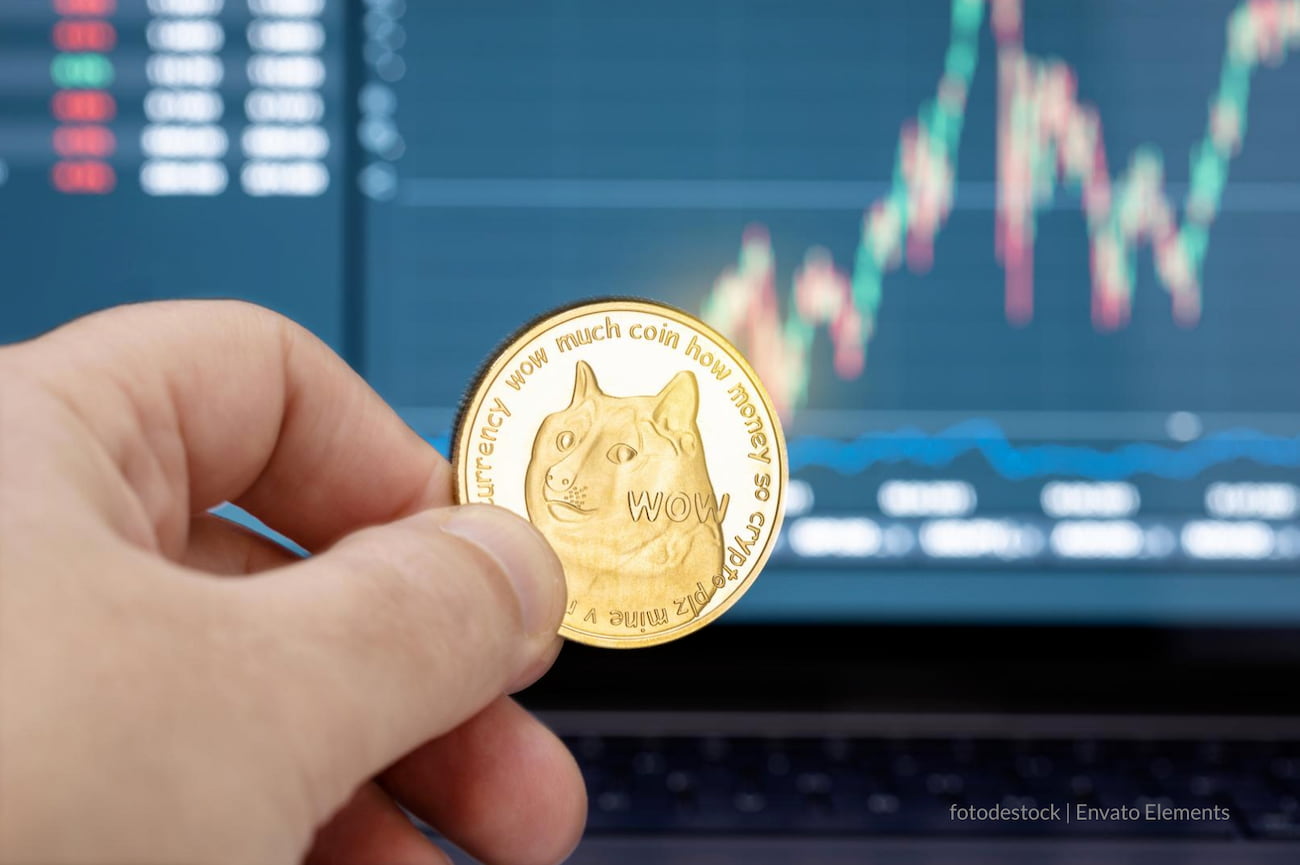
Dogecoin, the “meme coin” that started as a joke, has captured the attention of investors globally with its speedy fee appreciation and dedicated network. While Dogecoin’s reputation continues to bounce, it’s critical for buyers to recognize the regulatory panorama surrounding this cryptocurrency; however, it’s essential to remain vigilant and avoid overlooking potential risks and regulatory challenges associated with investing in Dogecoin, lest they fall into the bitqt-app.com of impulsive trading without proper consideration of regulatory factors. In this text, we’ll discover the funding risks associated with Dogecoin and examine the regulatory issues that could impact its destiny.
Regulatory Uncertainty
One of the primary dangers associated with making an investment in Dogecoin is regulatory uncertainty. Unlike conventional currencies or securities, cryptocurrencies operate in a fairly nascent regulatory environment with evolving laws and guidelines. Regulatory organizations globally are nevertheless grappling with how to classify and adjust cryptocurrencies like Dogecoin, leading to uncertainty about the legality and compliance necessities for traders and businesses operating within the area.
Government Intervention
Government intervention poses a big danger to Dogecoin and other cryptocurrencies. Regulatory corporations and policymakers have expressed worries about the potential risks associated with cryptocurrencies, together with money laundering, terrorist financing, client protection, and marketplace manipulation. In response, governments might also introduce regulations or enforcement moves that would restrict or disrupt the use, trading, or improvement of Dogecoin, impacting its rate and market liquidity.
Compliance Requirements
As regulatory scrutiny intensifies, investors and groups worried about Dogecoin may additionally face compliance requirements consisting of anti-cash laundering (AML) and know-your-customer (KYC) rules. Compliance with those requirements can be pricey and time-consuming, especially for small groups or people running within the cryptocurrency area. Failure to conform with regulatory responsibilities ought to bring about fines, penalties, or prison results, posing a huge hazard to traders and companies concerned with Dogecoin.
Tax Implications
Taxation is every other regulatory challenge for buyers in Dogecoin. Depending on the jurisdiction, profits from buying, selling, or investing in Dogecoin may be subject to capital gains tax, profit tax, or different kinds of taxation. However, the taxation of cryptocurrencies varies from the United States to the U.S. S . And regulatory guidance on cryptocurrency taxation may be doubtful or inconsistent. Investors should consult with tax specialists to understand their tax responsibilities and ensure compliance with relevant tax legal guidelines.
Market Manipulation
The decentralized nature of cryptocurrencies like Dogecoin makes them susceptible to marketplace manipulation and speculative buying and selling. Pump-and-sell schemes, price manipulation, and coordinated buying and selling efforts through massive investors or corporations can artificially inflate or deflate the price of Dogecoin, leading to good-sized losses for unsuspecting traders. Regulatory organizations are more and more scrutinizing market manipulation within the cryptocurrency space and taking enforcement actions in opposition to perpetrators; however, the danger remains prevalent.
Tendencias:
➜ California subirá su salario mínimo a US$17,40 en 2027: el cambio también eleva a US$72.384 el umbral para ciertos empleados
➜ ¿Le faltan semanas para pensionarse? Tres fallos de 2026 aclaran cuándo deben contarlas aunque el empleador no haya pagado
Initial Coin Offerings (ICOs) and Token Sales
Dogecoin’s regulatory risks extend beyond its use as a digital foreign currency to include the issuance and sale of tokens or coins associated with its surroundings. Initial coin services (ICOs) and token income boost capital by way of selling virtual tokens to buyers, regularly in exchange for cryptocurrencies like Dogecoin or Ethereum. However, ICOs and token sales pose challenges to regulatory oversight in many jurisdictions, and groups undertaking these offerings may face felony and compliance challenges in the event that they fail to adhere to applicable rules.
Conclusion
As Dogecoin continues to gain traction among investors and enthusiasts, it’s essential to assess the regulatory risks that would impact its future. Regulatory uncertainty, authorities intervention, compliance requirements, tax implications, marketplace manipulation, and ICOs and token income are most of the key regulatory issues facing Dogecoin buyers and agencies. To mitigate these risks, buyers need to be knowledgeable about regulatory trends, follow applicable laws and guidelines, and exercise caution when buying, selling, or making an investment in Dogecoin. By gaining expertise and addressing regulatory worries, traders can navigate the risky cryptocurrency marketplace more correctly and make informed decisions about their Dogecoin investments.
You may also read: How a franchise works: 8 key elements to understand the business model