The Reality of Health Care Economics in 2023: Why Is It a Mess?
The world has shifted since goverments across the world were challenged by the pandemic. This is why health care economics are a mess in 2023.

Key takeaways
Thinking of the pandemic now, after three years, makes it feel like it was forever ago, right? Still, the effects of lockdown continue to appear on multiple levels, one of them being the economy.
Now, let’s get one thing straight—the main objective behind the enforcement of lockdowns during the COVID-19 pandemic was to avert overwhelming pressures on healthcare systems, which is a key aspect of health care economics.
Back then, governments strategically aimed to mitigate the strain on medical facilities by implementing measures that would spread out infections, thereby buying crucial time to augment healthcare capacity. Despite these efforts, much of the surplus healthcare capacity created during lockdowns remained largely underutilized, prompting a reflection on the dynamics of health care economics.
Keep reading as we delve deeper into the reality of health care economics the reasons behind its critical state.
You may read: Automation on Jobs and 21st-century Skills
The critical state of health care economics
As part of the emergency state during the pandemic, governments from across the world opted for building infrastructure that allowed to increase patients’ admission.
For instance, England’s deployment of seven “Nightingale” hospitals, conceived as vital components of overflow healthcare infrastructure, in reality, witnessed minimal patient admissions, leaving some questions regarding health care economics.
This trend resonated in various parts of the world, including the United States, where many field hospitals designated to handle COVID-19 cases experienced similarly low utilization rates.
Studies published in the Health Policy journal delved into Europe’s pandemic response, revealing a solitary instance in Lombardy, Italy, on April 3rd, 2020, where the number of COVID-19 patients surpassed the available intensive-care beds, illustrating the critical interplay of factors within health care economics.
As global situations evolve, and regions like China confront subsequent waves, there are reports of strained healthcare facilities.
However, it remains premature to conclusively determine whether these instances signify isolated challenges or indicative of broader, systemic issues within health care economics.
The pandemic has accentuated the intricate relationship between public health measures, healthcare capacity, and the complex dynamics of healthcare economics.
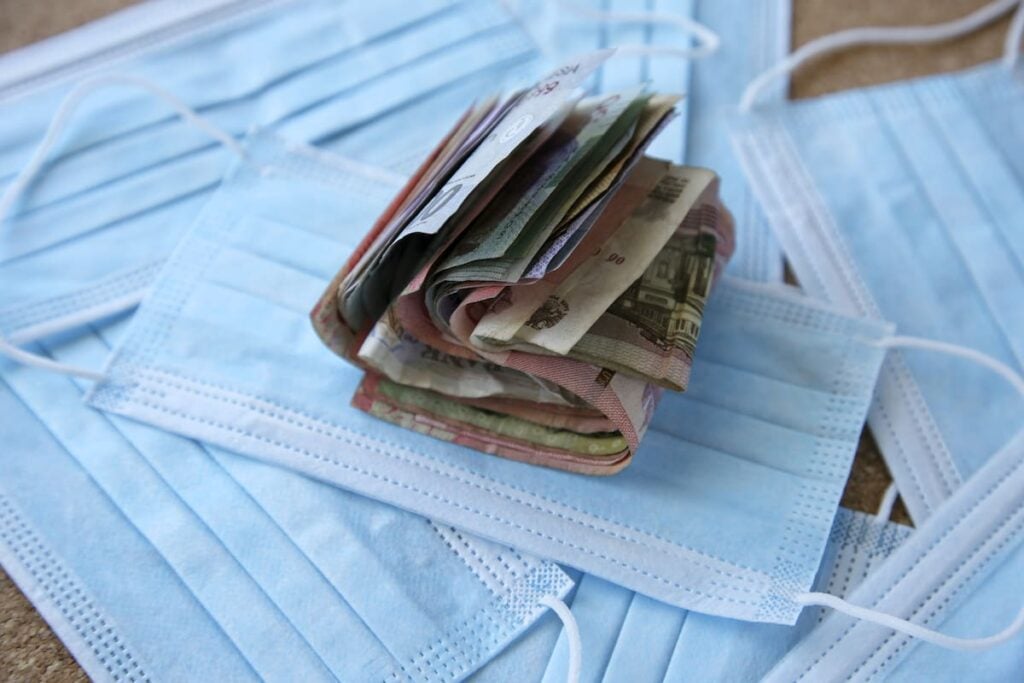
How the pandemic shaped health care economics
Health care economics has emerged as a critical consideration as the global landscape navigates the persistent challenges posed by the COVID-19 pandemic.
Outside China, where the impact of COVID-19 has diminished in public consciousness, health-care systems in many affluent nations face unprecedented strains, approaching collapse levels.
The dearth of comparable, up-to-date health-care performance figures across countries has prompted a meticulous examination of statistics from diverse sources to offer insights into the aftermath of the pandemic within the realm of health care economics.
In the United Kingdom, renowned for its high-quality data, the National Health Service (NHS) grapples with severe challenges, exemplifying the strain on health care economics.
Metrics reveal alarming increases in waiting times for critical medical attention, with patients experiencing prolonged delays for ambulance services and a surge in “trolley waits”—the duration between deciding to admit a patient and reaching a hospital ward.
You may also read: Understanding Income Inequality: 6 Factors that Contribute to it and How It’s Measured
While comprehensive statistics may be scarce for some countries, global surveys, such as one conducted by Ipsos in September, indicate a widespread decline in public perceptions of health care quality in the aftermath of the pandemic, underscoring the intricate interplay between public sentiment and health care economics.
Italy, a country previously inundated by COVID-19 cases, faces renewed struggles within its hospitals. Examining data from the Pope John XXIII hospital in Bergamo, where poignant images of ventilator use emerged, reveals persistent challenges. Waiting lists for non-urgent procedures like breast ultrasounds have skyrocketed, reflecting the nuanced impact of health care economics in a post-pandemic era.
Reports from various regions, including New South Wales in Australia and Canada, depict escalating waiting times and challenges, pointing to a global dimension of health care economics strains. Even countries with robust health care systems, such as Switzerland and Germany, experience dwindling intensive-care bed availability, accentuating the widespread impact on health care economics.
In the United States, health care spending’s vast magnitude provides some resilience, yet challenges persist. Hospital-occupancy rates have surged, pediatric wards face heightened stress, and the strain on health care economics is evident. The surge in “excess deaths” and mortality waves across several rich-world countries in 2022 further underscores the intricate relationship between health care economics, healthcare systems, and the shared experiences of the pandemic.
While increased spending has been directed towards combating COVID-19, health care systems grapple with challenges related to staff efficiency and productivity. Rising employment in health care across many countries has not necessarily translated into increased output, indicative of the complex interplay within health care economics. Factors such as the aftermath of dealing with COVID-19, protocol requirements, and staff burnout contribute to decreased productivity.
Amid falling productivity and rising demands, health care economics grapples with the need for enhanced capacity and efficiency. Post-lockdown, the surge in health care requirements, coupled with delayed treatments and diagnosis, adds complexity to the health care economics narrative.
As health care systems strive to adapt, the challenges underscore the vital role of health care economics in shaping the resilience and responsiveness of global health infrastructures.

The post-pandemic landscape
The post-pandemic era unveils a dynamic and multifaceted scenario within health care economics. The global landscape, marked by varying degrees of strain on health-care systems, demands a comprehensive understanding of the challenges and opportunities within health care economics.
The nuanced interplay between public sentiments, waiting times, staff efficiency, and productivity underscores the intricate tapestry that health care economics weaves.
As nations navigate the complexities of post-pandemic recovery, the resilience and adaptability of health care economics emerge as pivotal factors in ensuring the well-being of populations worldwide.
The lessons learned from this unprecedented period will undoubtedly shape the future trajectory of health care economics, influencing policies, investments, and global collaborations to fortify health systems for the challenges that lie ahead.
Keep reading: 3 Banking Stocks to Watch in 2023