How High-Purity Research Liquids Improve Accuracy in Scientific Studies
High-purity research liquids are essential for accurate scientific results, helping reduce contamination risks and improve laboratory reliability.


In scientific endeavors where precision is paramount, the use of high-purity research liquids becomes essential. The quality of these substances directly affects the accuracy of experimental results, making their purity a critical factor in a wide range of scientific fields. Contaminants, even in trace amounts, can lead to skewed data, hindering research advancements and potentially leading to costly errors.
Underscoring the importance of impeccably pure reagents, researchers and laboratories invest significant resources into securing and maintaining high-purity research liquids. These efforts are not only about achieving credible results but also about ensuring that subsequent applications, such as pharmaceutical developments, are based on trustworthy data. Below, we delve into the rigorous world of high-purity liquids and their impact on research.

Ensuring Precision in Scientific Research with High-Purity Liquids
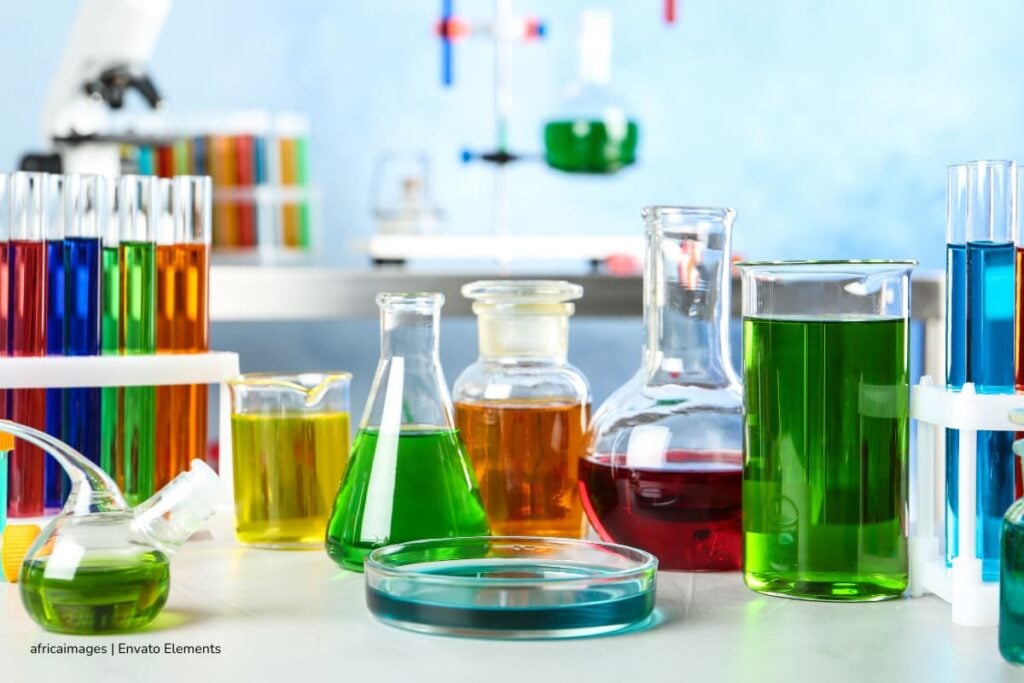
Utilizing high-purity research liquids is crucial for achieving the stringent accuracy required in many scientific investigations. For instance, in analytical chemistry, the purity of a solvent can dramatically influence the specificity and sensitivity of the measurements taken. Consequently, highly refined liquids ensure that experimental anomalies are minimized.
Supporting this fact, peer-reviewed studies have demonstrated that when high-purity liquids are used, results exhibit greater reproducibility and lower risk of false positives or negatives. This reliability is indispensable in research that informs public policy, healthcare decisions, and technology innovation. High-purity research liquids
For researchers, obtaining high-purity liquids typically means partnering with reputable suppliers who can provide certification of purity levels. It’s advisable to review third-party test reports and ensure that liquids meet the required purity specifications for their intended scientific applications.
High-Purity Research Liquids: A Necessity for Reliable Experimental Outcomes
The integrity of experimental outcomes hinges on the use of high-purity research liquids. In critical research areas like drug discovery, the slightest impurity can throw off an entire experiment, leading to incorrect conclusions about a potential medication’s efficacy or toxicity.
A clear example of this necessity was observed in genomic research, where the presence of impurities in reagents can cause significant errors in DNA sequencing results. Such errors can be costly and time-consuming to rectify. As a best practice, scientists meticulously screen reagents for nuclease contamination to avert these issues, demonstrating the overarching importance of purity in research settings.
Laboratories must establish and adhere to stringent procurement processes that include the evaluation of suppliers, verification of chemical purity, and ongoing quality checks to maintain the highest standards for their experiments. Robust quality control measures are essential to avoid the potentially dire consequences of impure substances in research.
Mitigating the Risks of Contamination in Laboratory Settings
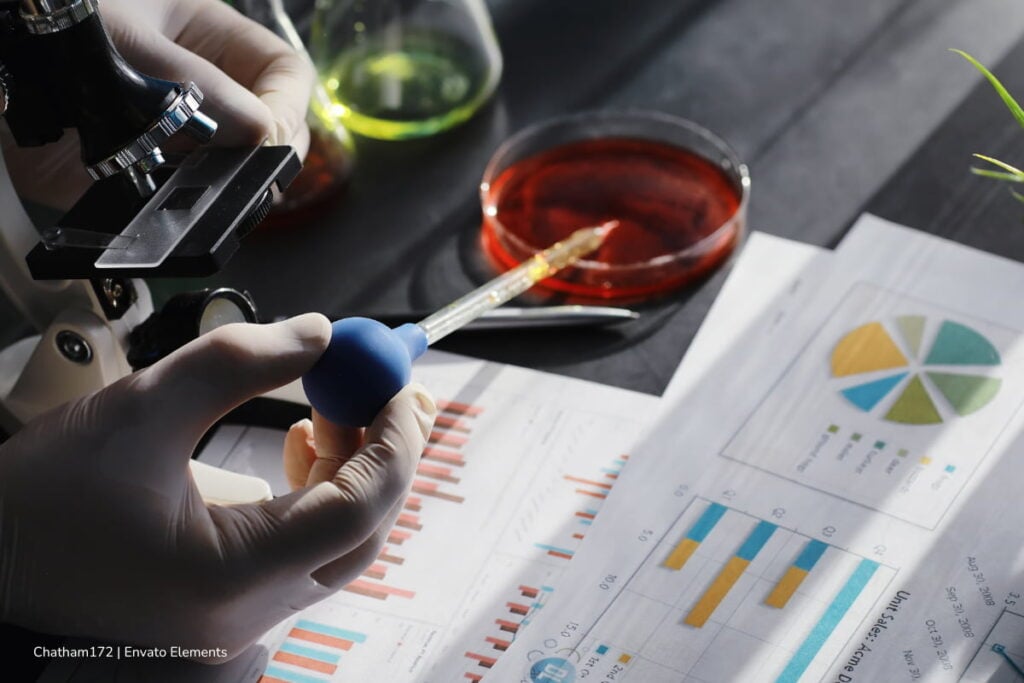
Contamination is a formidable adversary in laboratory environments, capable of compromising research outcomes. High-purity liquids are particularly susceptible to contamination from airborne particles, improper storage, or cross-contamination from other substances.
Tackling contamination requires a proactive approach, involving the implementation of clean-room technologies, rigorous cleaning protocols, and staff training. Researchers must constantly be vigilant about maintaining an environment that preserves the integrity of high-purity liquids, a necessity underscored by the complexity of today’s scientific research.
Additionally, the adoption of closed systems for liquid transfer and automated pipetting tools can severely reduce the exposure to potential contaminants. By investing in the latest technological advancements designed to safeguard purity, laboratories demonstrate a commitment to maintaining a contamination-free research space.
Best Practices for Storage and Handling of High-Purity Liquids
Storage and handling are just as important as the initial procurement of high-purity research liquids. Correct storage methods guard against degradation and contamination, ensuring that the liquids’ purity is preserved over time.

Best practices indicate that these liquids should be stored at appropriate temperatures, away from direct sunlight and in tightly sealed containers made of materials that do not interact with the contents. Inventories should be regularly checked, and any outdated or potentially compromised liquids disposed of properly. Moreover, proper labeling and organization of containers prevent mix-ups and accidental misuse.
When handling high-purity liquids, researchers should employ protocols that prevent the introduction of contaminants. This includes using specialized equipment, such as non-reactive syringes and pipettes, wearing appropriate gloves, and ensuring that all apparatus are cleaned and sterilized before use. Rigorous laboratory management practices can make the difference between reliable data and research setbacks.
Overall, the use of high-purity research liquids is integral to the scientific community’s pursuit of truth and knowledge. By emphasizing the importance of purity in research substances, the scientific field ensures that its findings are accurate and credible. Whether refining medication efficacies or uncovering novel scientific truths, high-purity liquids serve as a cornerstone to discovery and innovation, accentuating the reliance on precision and care in the world of research.
You may also read: Colombia among the worst per capita export performers in Latin America