How to store lettuce in fridge: 7 surprising tips for freshness

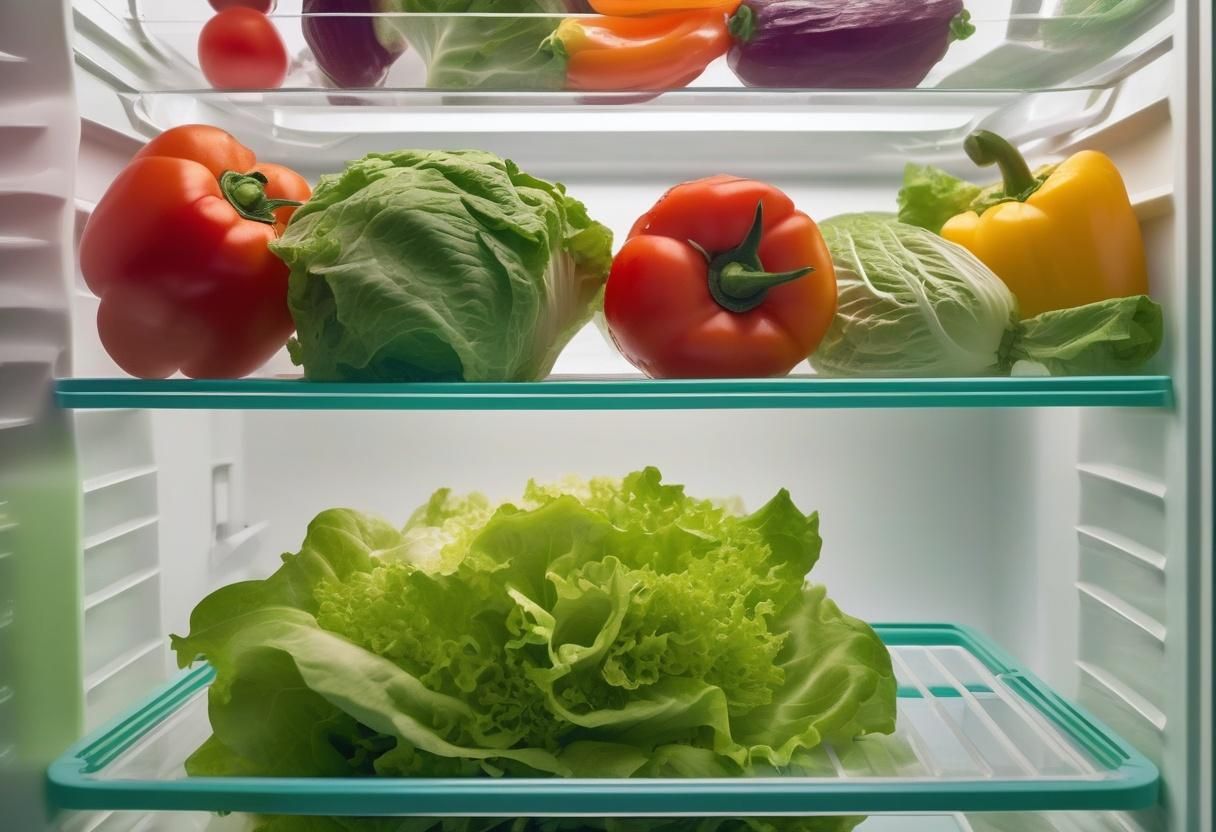
How to store lettuce in fridge
To store lettuce in the fridge effectively, follow these simple strategies to maintain its freshness and crispness for longer periods.
First, ensure your lettuce is clean and dry. Wash it under cold water and use a salad spinner or a clean towel to remove excess moisture. Wet lettuce can lead to quicker spoilage.
Second, choose the right storage container. Use an airtight container to lock in moisture while preventing excess humidity that can lead to rotting.
Third, paper towels are your best friend. Line the bottom of your storage container with paper towels to absorb moisture, keeping the lettuce crisp.
Fourth, store lettuce in the vegetable crisper drawer. This area typically has controlled temperature and humidity levels, ideal for leafy greens.
Fifth, avoid cutting or tearing lettuce until ready to use. Whole leaves last longer than cut pieces, which tend to spoil more quickly.
Sixth, check your fridge temperature. Ideally, your fridge should be set between 32°F (0°C) and 40°F (4°C) to keep your lettuce fresh.
Finally, keep an eye on your lettuce. Regularly check for any signs of spoilage, and remove wilted leaves promptly to prevent them from affecting others.
Why proper storage matters
Storing lettuce properly helps maintain its nutritional value and extends its shelf life. Fresh lettuce is not only tastier but also provides essential vitamins and minerals.
Other types of lettuce and their storage
- Romaine: Store the same way as regular lettuce, but it can stay fresh for up to 2 weeks.
- Iceberg: This type can hold up well for a little longer, about 2-3 weeks in good conditions.
- Leafy greens: Consider replacing paper towels more frequently for delicate varieties like arugula.
How long does lettuce last in the fridge?
Generally, properly stored lettuce can last about 7 to 10 days in the fridge. However, this can vary based on the type and freshness at the time of purchase.
Signs of spoiled lettuce
- Brown edges or wilted leaves
- Unpleasant odor
- Slime or excessive moisture in the storage container
Quick tips on related food storage
- For other leafy greens, check out how to store spinach.
- Learn the best practices for salad storage.
- Find out how long kale lasts in the fridge.
- Wondering about cut lettuce? Read about lettuce shelf life.