New patent-protected use of aloe vera could benefit hundreds of thousands of people
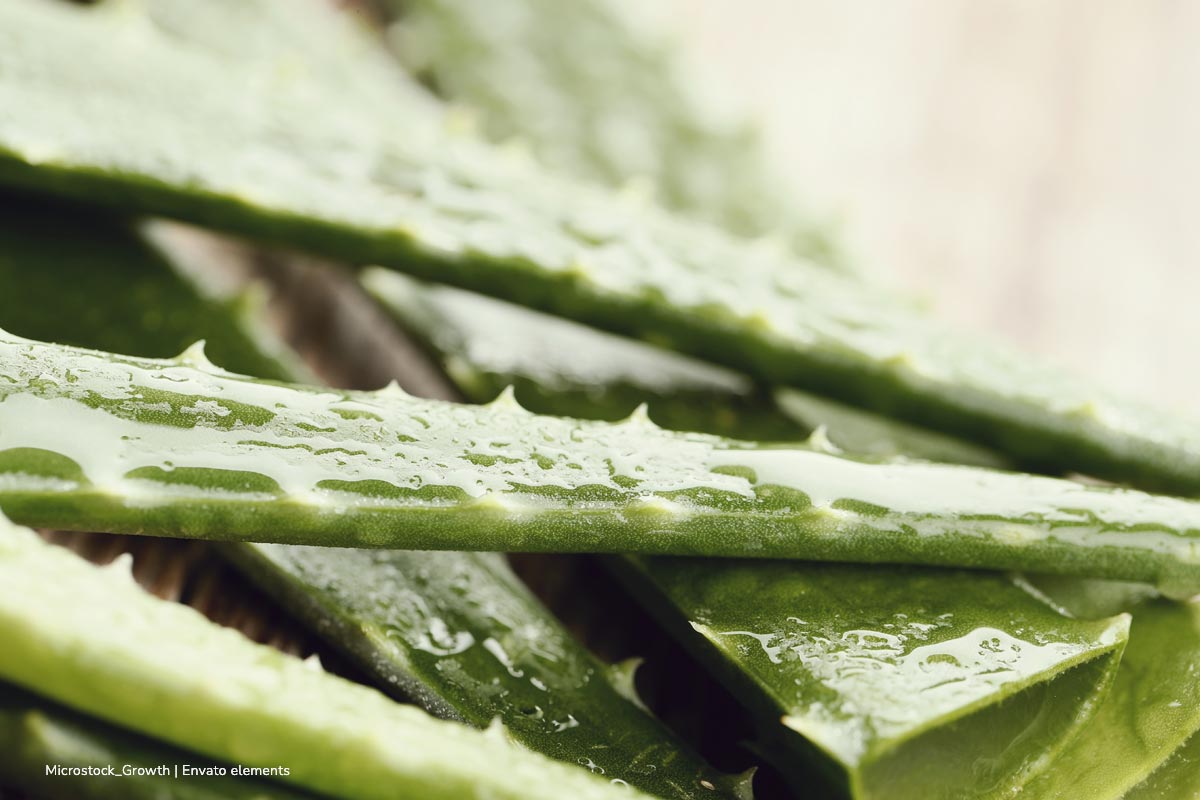
Aloe vera is a versatile plant, with multiple nutritional properties and widely used in sectors such as cosmetics and gastronomy.
This plant has healing, antibacterial, anti-inflammatory and antioxidant properties. With moisturizing and regenerating effects for skin and hair, it can treat burns and even acne. It also strengthens the defenses, helps with metabolism and cardiovascular health.
You may read: Pension reform: MinTrabajo clarified the additional December allowance for all pensioners
In addition to being used in foods and supplements, aloe vera is commonly used in creams and topical treatments, or applied directly to the skin.
Well, the moisturizing properties of aloe vera, also known as Aloe Vera, may now benefit agriculture in Colombia and the world.
In an effort to address the agricultural and environmental challenges associated with water scarcity and sustainability, the Universidad Nacional de Colombia (UNAL), Palmira Campus, has achieved a significant breakthrough by receiving an invention patent for its revolutionary aloe-based creation. It is an aloe-based hydrogel that improves water retention in agricultural soils.
The patent, granted for the “water-absorbing composition comprising dried particles of the cuticle of Aloe barbadensis miller”, took advantage of the characteristics of aloe vera. This was reported by the UNAL News Agency on its web page.
As a succulent, this plant has the capacity to store water in its leaves, stems and roots. This property, which makes it suitable to survive in dry places, can now be used by farmers of all thermal floors.
The biodegradable technology of the aloe-based hydrogel promises to improve water efficiency in agriculture and give plants greater vigor, while helping to increase the use of biodegradable materials in the agricultural industry.
Aloe-based hydrogel has better properties than synthetics
The product patented by National University researchers proved to be highly effective in a wide variety of soil types, from sandy to clay. One of the most notable achievements of the hydrogel patent is its resistance to pH changes, extreme temperatures and the presence of salts in the soil.
You may also read: Good news for rice in Colombia: industry achieved new variety offers less weeds and more resistance against pests
In contrast to the artificial hydrogels found in the market, which can lose their functionality over time, the water-absorbing composition developed by UNAL Palmira in the aloe vera-based hydrogels maintains its retention capacity. This makes them a reliable and versatile solution for implementation in various agricultural conditions.
In addition, and unlike commercial hydrogels, which often contain non-biodegradable components that can damage soils and the environment when applied in high doses, those patented by UNAL are naturally biodegradable.
From idea to patent
The origin of this innovation lies in the vision and dedication of agro-industrial engineer Eduardo Luligo Montealegre, who, concerned about the constant waste he saw when he worked in a company dedicated to the sale of the famous aloe vera gel, began an investigation to find a valuable use for the cuticle, as the hard green skin that covers the plant’s gel is known.
With the support of Professor Liliana Serna Cock and the research group Lactic Acid Bacteria and their Industrial Biotechnological Applications (GIBALABI), he undertook a research project to explore the properties of the plant’s cuticle.
The focus of the study was on the unique ability of the aloe cuticle to retain water, an aspect little explored in the scientific literature up to that time.
After a meticulous dehydration and milling process in the laboratory, micrometer-sized particles were obtained that demonstrated more stable and efficient water retention than commercial synthetic hydrogels.
Field trials were carried out in a field in the municipality of El Cerrito, Valle del Cauca, and yielded promising results. The water-absorbing composition of aloe proved to be safe and beneficial for crop growth, with adequate vegetative development and optimal root growth, height and diameter.
Hydrogels in agricultural soils
Hydrogel is a crop water retainer that is used to increase nutrients in soils and acts as a water reservoir to release water as needed by plants.
Global concern about freshwater supply has prompted research aimed at maximizing its efficiency in agriculture, one of the most water-intensive activities on the planet. This concern is even greater in water-scarce areas.
The effectiveness of hydrogels has been documented on several occasions, and their versatility in the agricultural sector has been widely recognized.
In fact, research conducted by different universities such as the National University of Colombia and the National University of Cuyo in Argentina has shown that hydrogels are useful in the protection and management of roots during planting, thanks to their exceptional water retention capacity.
As we move towards a future with limited water resources, the exploration and optimization of these solutions, such as the aloe hydrogel patent, becomes a fundamental step towards agricultural and environmental sustainability.
Keep reading: Fosyga: How to consult, download and generate social security certificates