Pellet spill in Galicia: a wake-up call for Europe
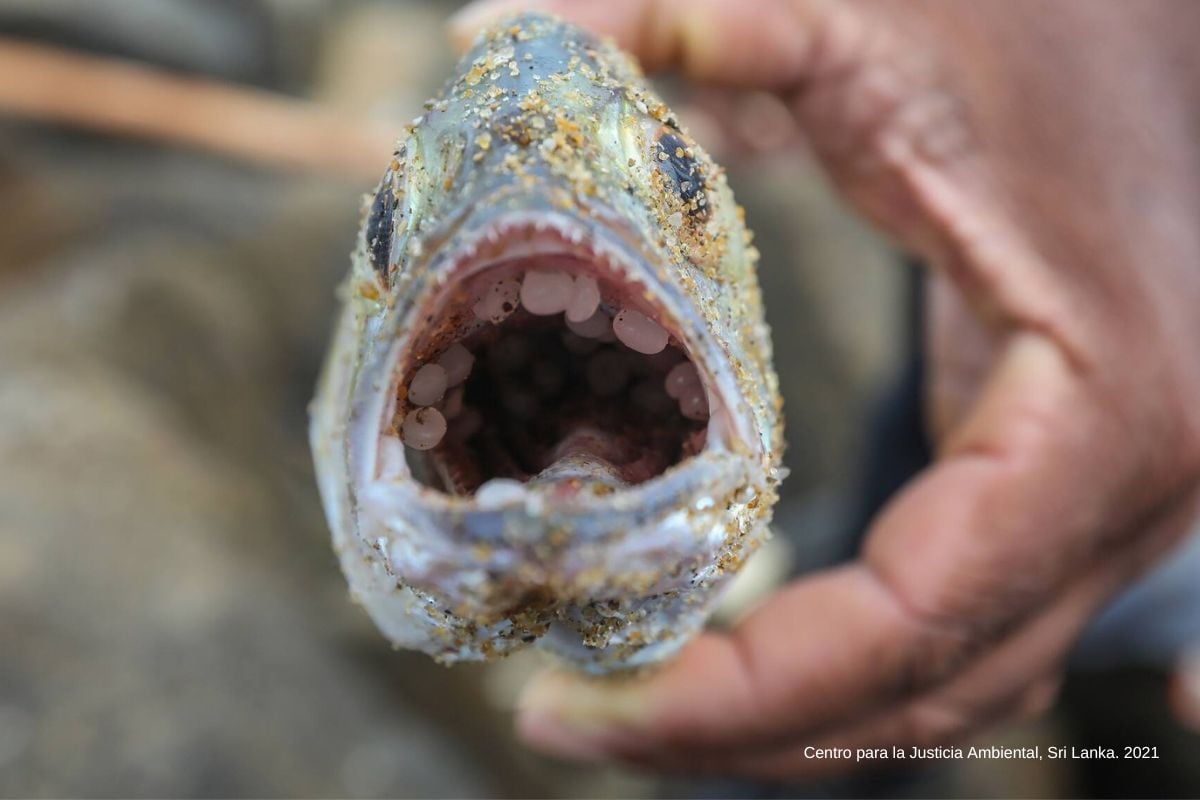
The coast of Galicia in Spain is once again plunged into an environmental crisis, caused by the pellet spill, small beads of polyethylene terephthalate (PET), which have reached the beaches after a maritime incident occurred more than 180 kilometers southwest of the Corrubedo lighthouse.
According to European Union data, it is estimated that there are between 52,000 and 184,000 tons per year in losses due to pellet spill. These figures highlight the need for preventive measures at a global level.
The Prestige of Microplastics
This disaster, which compares to the 2002 Prestige oil spill, has highlighted Europe’s lack of effective regulation and response to microplastic pollution. According to Wikipedia, the Prestige disaster was an oil spill in Galicia caused by the sinking of the tanker Prestige in 2002. The accident affected 2000 kilometers of Spanish, French and Portuguese coastline.
Last December 13, the Galician press reported on the mysterious shipment of sacks that left a white trail on the beach of Balieiros, in Corrubedo.
What initially appeared to be a one-off incident has become the worst environmental catastrophe in Galicia in the last two decades. The magnitude of the problem has increased with the passage of time, highlighting the lack of preparedness and response of the authorities to similar situations.
You may read: Foreign trade with Ecuador offers opportunities for Colombia
Pellet spill: pollution without standards
The incident, which involved a container loaded with 26 tons of pellets spilling into the sea, has exposed shortcomings in European regulations. Although it has been compared to the Prestige disaster, the difference lies in the absence of specific legislation to address the problem of pellet spill.
The European Union, despite improving its regulations on plastic consumption, lacks clear guidelines to prevent and manage microplastic spills.
The lack of specific regulations has allowed the transport of pellets to take place without restrictions regarding the amount a ship, train or truck can carry, nor protocols for reporting losses and leaks. This legal vacuum results in the constant presence of pellets in natural environments, being the third source of microplastic pollution in Europe.
The pellet spill incident in Galicia highlights the need to establish regulations that address the pellet value chain, imposing preventive measures on companies to avoid spills and making them responsible for them.
The latest European directive on plastics consumption, adopted by Spain in 2022, focuses on specific bans on consumer products, leaving out of the regulatory framework the tiny-sized pellet compounds used to manufacture plastics.
Pellet spill crisis calls for international regulations
The situation is not limited to Galicia, as other European regions, such as Asturias and Cantabria, are also affected. The European Union estimates that between 52,000 and 184,000 tons of pellets are lost annually across the continent, underlining the need for preventive measures at a global level.
The chemical contamination of pellets, which contain potentially toxic additives, underlines the urgent need for regulations governing the transport of these materials. The lack of international regulation for the maritime transport of pellets exacerbates the situation, highlighting the ineffectiveness of the International Maritime Organization (IMO) in addressing this problem.
The responsibility has been taken by the sea
The web of companies behind the pellet spill complicates the identification of those responsible. The Liberian-flagged, Bermuda-framed vessel Toconao belongs to a German shipping company with a tax domicile in Cyprus.
The pellet manufacturer, Bedeko Europe, of Polish origin, dissociates itself from the ownership of the shipment, attributing responsibility to the shipping company Maersk.
In the face of this crisis, the lack of an effective response from European authorities and the absence of specific regulations to prevent and manage pellet spills raise crucial questions about the European Union’s ability to address microplastic pollution.
The regulatory proposal presented by the European Commission in October 2023 is a step in the right direction, but the exclusion of shipping and the exemption of companies with less than 1,000 tons of pellets from audits are evidence of the influence of the plastics industry.
You may also read: Obstacles for the military industry to become a hub for the country’s reindustrialization
The role of civil society
In this context, civil society and environmental organizations have taken on a crucial role by filing criminal lawsuits and pushing for stricter regulations, as well as promoting volunteer campaigns to collect part of the pellets dumped on the beaches.
The public is facing a wake-up call to demand concrete actions and effective regulations to protect our marine environment and prevent future environmental catastrophes such as the one experienced by the coast of Galicia.
The pellet spill crisis in Galicia highlights the urgency of international and European regulations against microplastic pollution. The absence of clear regulations allowed this incident. Although the European Commission’s proposal is moving forward, the exclusion of maritime transport and exemptions for certain companies indicate the influence of the plastics industry.
Civil society and environmentalists are crucial; citizens must be watchdogs to change the management of microplastics and protect our marine ecosystems.
2024 Export Almanac: Opportunities for Colombian Exporters