Snowball and Avalanche Method

As people seek effective ways to manage and reduce their debt, the “snowball” and “avalanche” methods have emerged as popular approaches. These strategic approaches provide structure and direction for those who want to become debt free in a planned and effective manner. Below, we will explore what these methods are, the key steps involved, and how they are applied in real life.
What is the Snowball and Avalanche Method?
Snowball Method:
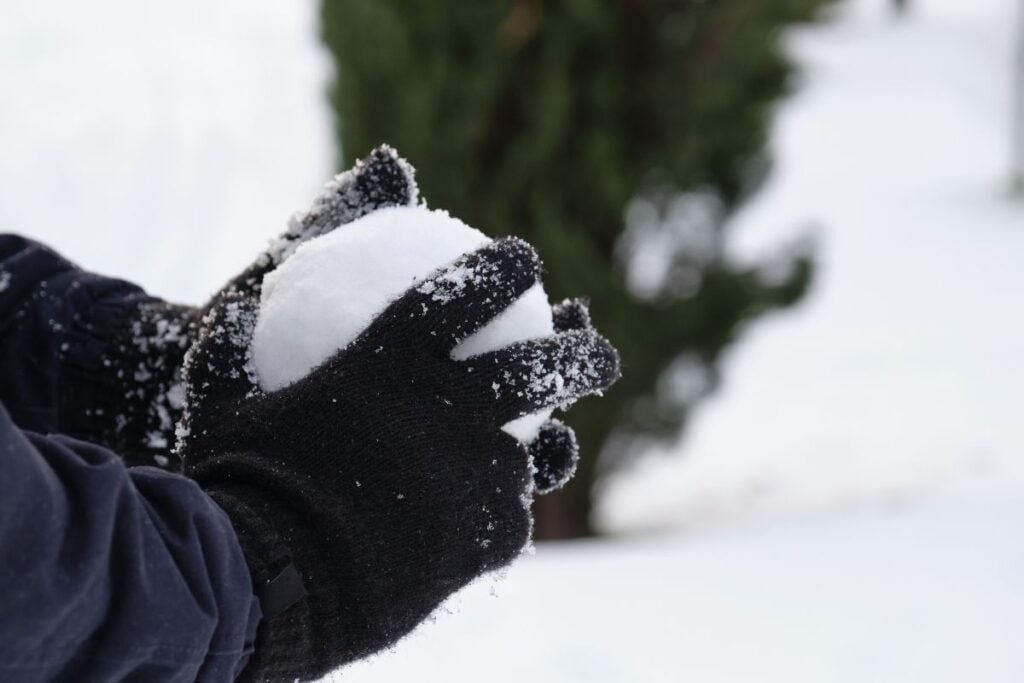
The “snowball” method focuses on the principle of tackling the smallest debts first while making minimum payments on the others. The key here is the motivational momentum that is generated as smaller debts are eliminated. With each debt paid off, the amount going toward debt repayment increases like a “snowball”, which accelerates the debt-freeing process.
“Avalanche” method:
The “avalanche” method is based on a more financial and logical approach, prioritizing debts with higher interest rates. Here, debts that accrue the highest interest are paid off first to reduce the total long-term cost. Although it may take longer to see tangible results, this method tends to save more money in interest in the long run.
You may read: What are Index Funds?
How to apply these methods to heal your debts?
Identify your income
The first step is to have a clear understanding of your monthly income. This includes salaries, additional income and any other sources of money. Knowing your income will help you establish a realistic budget and determine how much you can allocate to debt repayment.
Analyze Your Spending Habits
Evaluating your spending habits is essential to identify areas where you can reduce expenses. Review your monthly expenses and find opportunities to cut unnecessary expenses. This will free up more money for debt repayment.
Set Goals and Priorities
Define your financial goals and set clear priorities. It could be paying off a specific debt, building an emergency fund, or saving for a long-term goal. These goals will give you constant motivation and a sense of direction in your debt elimination process.
Plan for Purchases
Before making purchases, especially large ones, make a detailed plan. Evaluate whether the purchase is essential and whether you can afford it without affecting your debt repayment efforts. Planning will help you avoid impulse spending and keep you focused on your financial goals.
Choose Financial Products that Fit Your Situation
When choosing financial products, such as credit cards or loans, opt for those that offer favorable interest rates and terms. Researching and comparing different options will allow you to make informed decisions and avoid additional financial burdens.
Getting Debt Under Control
Before implementing the “snowball” or “avalanche” methods, it is crucial to have a complete picture of your debts. List all debts, including balances and interest rates. This will help you determine which method best suits your situation.
Once you have completed the above steps, you are ready to apply the method that best suits your needs:
Snowball Method
Focus your efforts on paying off the smallest debts first, gradually increasing the amount set aside for payment as you move up the list.
“Avalanche” Method
Prioritizes repayment of debts with higher interest rates, thereby reducing the total long-term interest cost.
In summary, both the snowball and avalanche methods offer effective approaches to eliminating debt. By combining these methods with the key steps mentioned above, you will be better equipped to take control of your finances, free yourself from debt and work toward a stronger financial future.