We Ask a Therapist the Top 5 Mistakes After Knee Replacement
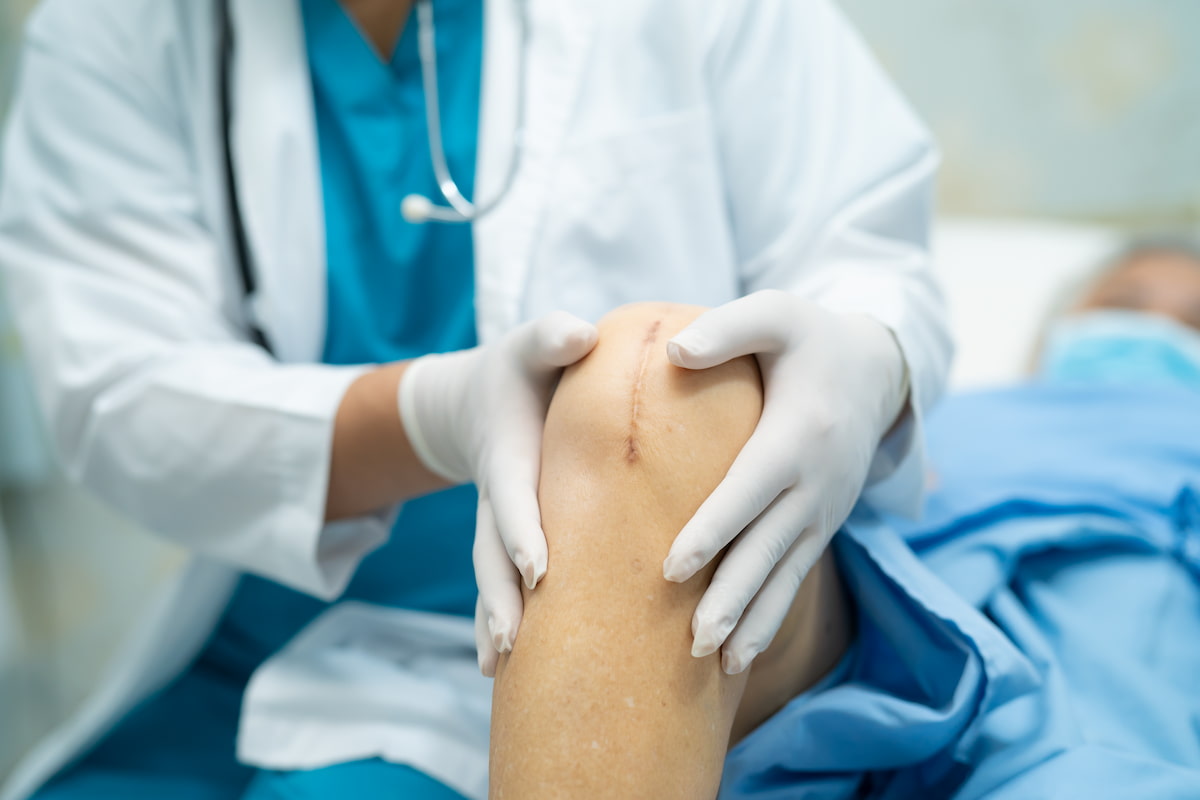
Recovery from a knee replacement surgery is a significant journey, marked by the hope of restored mobility and the promise of a pain-free future.
However, it’s crucial to remember that the path to full recovery isn’t always smooth. In our quest to assist you through this process, we’ve consulted a seasoned therapist to uncover the Top 5 Mistakes After Knee Replacement.
You may read: The Power of the Wind: An Essential Guide to Wind Energy
These insights can be the key to ensuring that your journey towards improved knee health is as successful and free from setbacks as possible.
Key takeaways
Top 5 Mistakes After Knee Replacement
The Crucial Balance of Pain Medication
The first among our top 5 mistakes after knee replacement is related to the use of pain medication. It turns out this is one common pitfall encountered in post-knee replacement recovery. An often-overlooked aspect of this process is the precise adherence to prescribed dosages and schedules.

This delicate balance is frequently disrupted, with patients occasionally resorting to self-medication, inadvertently fostering dependency and inviting unforeseen complications.
As the patients initiate the journey of physical therapy in the aftermath of knee replacement, a distinct scenario unfolds. Fearful of intensified soreness accompanying motion, some opt to preemptively medicate just before their therapy sessions, even when they’re not in pain at the moment.
Paradoxically, this seemingly precautionary measure may curtail the patient’s participation in therapy, undermining the very purpose of the exercises. Herein lies a crucial misconception. Rather than shunning pain altogether, patients are advised to engage in a candid dialogue with their physical therapists and healthcare providers, expressing their concerns about heightened discomfort during therapy.
Such conversations can lead to the adaptation of exercise routines that align with the patient’s capabilities and alleviate apprehensions.
On the flip side of this medication conundrum, abruptly discontinuing pain medication is another pitfall to avoid. Doing so can induce unnecessary discomfort and prove detrimental to one’s ability to partake in rehabilitation exercises.
In light of these intricacies, active communication with healthcare providers is not merely encouraged; it is an essential component of the patient’s journey towards recovery. By heeding their guidance on pain medication, individuals can find the equilibrium that ensures effective pain management without sacrificing their capacity to engage in vital rehabilitative exercises.
Cooling the Flames: Icing Done Right
Following our list of the top 5 mistakes after knee replacement there’s the use of ice when recovering from a knee replacement.
Applying ice to your recuperating knee serves as an effective strategy for quelling swelling and managing postoperative pain. However, the key to harnessing the full potential of this therapeutic technique lies in comprehending the nuances of timing and duration. Regrettably, it’s not uncommon for some patients to misunderstand the essential principles of icing.

They often gravitate towards an on-demand approach, icing the knee exclusively when pain flares up, instead of adhering to a structured schedule. In stark contrast, there are those who believe that more is better, even resorting to a ceaseless icing regimen, convinced that a continuous icy embrace is the path to quicker recovery.
You may also read: “All natural” Simply orange lawsuit alleges the juice has toxic PFAS levels
The truth, however, lies in balance and precision. Effective icing isn’t about extremes; it’s about finding the sweet spot. To achieve optimal results, patients should ice their knees in intervals lasting 20 to 30 minutes, with deliberate hour-long intermissions in between. This approach is rooted in a fundamental understanding of the therapeutic purpose of icing, which primarily revolves around reducing inflammation.
Striking this delicate balance is imperative. Over-icing, while it may seem beneficial, can inadvertently harm the superficial tissues while paradoxically increasing blood flow to the joint, potentially intensifying swelling and defeating the very purpose of the icing regimen.
Therefore, achieving the right balance in icing practices is an integral part of the rehabilitation process and should be diligently adhered to.
The Gradual Stride to Independence
Next, in our top 5 mistakes after knee replacement is recovering independence. Undoubtedly, one of the primary aspirations for patients recovering from knee replacement surgery is the reclamation of their independence. The desire to resume everyday activities and regain autonomy stands as a formidable motivation. However, a common pitfall on this path to recovery is the premature relinquishment of assistive devices, such as crutches or walkers.
This hasty decision can inadvertently give rise to compensatory patterns and flawed gait mechanics, thus hindering the very goal it intends to promote.
To circumvent this predicament, it is imperative to prioritize the restoration of a natural gait pattern before bidding adieu to these invaluable aids. Rushing the process, while tempting, often undermines the recuperative journey. The critical juncture lies in achieving the right balance.
In general, patients should concentrate on the normalization of their gait, a term that encompasses the overall mechanics of walking. This process involves regaining full hip extension, achieving complete knee extension, and fostering enhanced ankle mobility.
This comprehensive approach not only enhances one’s ability to utilize the rehabilitated leg effectively but also diminishes the sensation of instability during standing and walking, a key milestone on the path to full recovery and self-sufficiency.
The Delicate Balancing Act of Returning to Work and Driving
For those recuperating from knee replacement surgery, the prospect of returning to work and regaining the freedom to drive is an appealing and significant milestone. These are two facets of life that reflect independence and a semblance of normalcy. However, the journey back to these routines is not a straightforward one; it necessitates a balanced blend of ambition and prudence.
The first critical consideration is the nature of one’s occupation and its physical demands. This factor carries profound implications for the timing of your return. Rushing back to a physically demanding job prematurely can compromise the healing process and potentially lead to setbacks.
To mitigate this risk, it is strongly advised to engage in a thoughtful dialogue with your healthcare team. Their guidance is invaluable in gauging the right moment to re-enter the workforce, considering your specific job requirements and the status of your recovery.

The question that lingers in the minds of many is, “When can I get back to work full-time after knee replacement surgery?” The answer, as with many aspects of recovery, is nuanced. Typically, patients are encouraged to wait for a period ranging from four to six weeks before embarking on the journey back to full-time employment.
This interval allows the body to heal, the knee to regain strength and stability, and you to confidently step back into the realm of work with reduced risk of complications. Ultimately, a steady and measured approach to re-entering the workforce and reclaiming your place behind the wheel ensures not only a smoother transition but also safeguards your hard-earned progress along the path to recovery.
A Gentle Approach to Recovery: Emphasizing Fluid Mobility and AROM Exercises
In the quest for post-surgery recovery, the temptation to rapidly regain strength can be overpowering. It’s only natural to want to leap headfirst into physical activities, believing that the sooner you rebuild muscle and regain your former agility, the better. However, the path to recovery following knee replacement surgery is a nuanced journey. It necessitates a balanced and thoughtful approach.
Before diving into intensive strength-building exercises, the foremost priority should be to nurture fluid mobility and enhance your range of motion through physical therapy. This gentle yet crucial approach forms the cornerstone of an effective recovery strategy. Many patients inadvertently focus on strength training, overlooking the pivotal role of exercises aimed at reducing swelling and improving joint mobility.
One such exercise regimen that proves highly beneficial is Active Range of Motion (AROM) exercises. These exercises, alongside isometrics, hold the potential to substantially contribute to your overall recovery.

Rather than striving for immediate strength, the focus should shift towards mitigating swelling and promoting joint mobility. By taking these steps, you set the stage for long-term strength and vitality, and position yourself on the path to a more robust recovery.
In essence, the saying “less is more” resonates deeply in the context of post-knee replacement surgery rehabilitation. While the desire for quick results is understandable, adopting a gentler, more patient approach—one that places fluid mobility and AROM exercises at the forefront—can prove to be the most effective strategy in the long run.
This article was written with information available in the National Library of Medicine.
Keep reading: Chamomile Tea: 6 Potential Health Benefits