Top 7 Ginger Tea Benefits: Boost your immune system
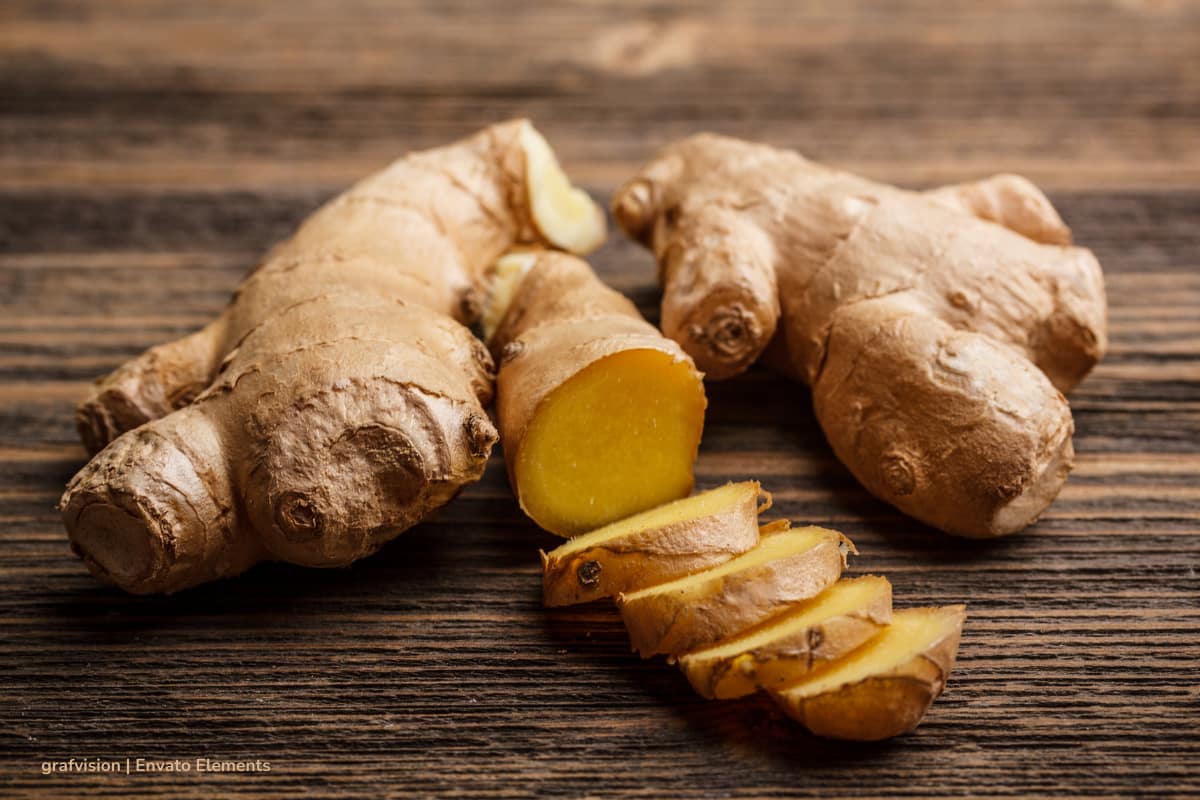
Ginger has a long history as a culinary spice and a medicinal herb, and it has long been prized for its exceptional health properties.
Whether it is relieving nausea, boosting your immune system, calming digestive issues, or adding a little spice to your food, ginger is a must in your kitchen.
You may read: Hass avocado: researchers found that the peel has the potential to cure diseases
Researchers have found and proved many ginger tea benefits throughout the years, and we’ll tell you all about them.
Keep on reading to find out:
Ginger tea benefits: a recipe for success
There’s no doubt ginger is one of the most vastly used ingredients across the globe. This is both a spice and a medicinal herb, thus there are many ginger tea benefits.
Folk medicine, for example, uses ginger as a means to treat illnesses like the flu and coughing.
If you’re looking to make yourself a cup of this ancient beverage, you may find ginger in the market in multiple ways.
To enjoy the ginger tea benefits, you can use powdered, fresh, pickled, dried, candied, preserved or crystalized ginger.
To enjoy your own ginger tea benefits from the comfort of your home, you should get yourself a piece of ginger root and peel it.
Once it’s peeled, you can take it to a boil either in water or milk.
After a few minutes your kitchen should have a delicious smell! Let the ginger root get all of its oils out as 1 to 4% of it is formed by the oils that give ginger its distinctive scent and spicy flavor.
Also responsible for ginger’s smell and spice are shogaols and gingerols, when boiled, ginger expels two substances often known as ginger’s primary bioactive ingredients.
These two ingredients are linked to the several ginger tea benefits!
Top 7 ginger tea benefits
These are some of the many ginger tea benefits. Keep reading and find out how to take your health to the next level.
1. Might help with motion sickness
Traditional medicine claims some of the ginger tea benefits you can get from it come when experiencing motion sickness symptoms like nausea, vomiting, and cold sweats.
In a 1988 research, ginger was proven to alleviate nausea from motion. Out of 80 naval cadets with very little experience with sailing in rough seas, those who were given 1 gram of ginger prior to their activities reported less nausea and cold sweating.
Although to this day scientists continue to have some trouble explaining why ginger is able to alleviate nausea in these cases, some researchers claim ginger has some specific molecules that block a brain receptor key when inducing vomiting.
Although the research is inconclusive, this is one of the ginger tea benefits that have been passed from one generation to the next as a tradition. More information here.
2. Can lessen morning sickness or chemotherapy-related nausea
Some experts state the gingerols in ginger can aid with nausea brought on by chemotherapy, surgery, or even pregnancy.
When conventional medications are not an option, those who are pregnant or receiving chemotherapy can use ginger tea benefits. Researchers contend that ginger may be a safe, affordable, and overall effective alternative to traditional anti-nausea medications.
In a trial of 92 women, ginger proved to be superior to a common medication at avoiding postoperative nausea and vomiting brought on by general anesthesia.
Nevertheless, before deciding to rely on ginger tea benefits after having a surgery, make sure to consult your healthcare provider, as some researchers claim consuming ginger may interfere with blood clotting.
You may also read: Birth Month Flowers and Their Symbolic Meanings
3. May boost heart health and lower blood pressure
According to research, one of the ginger tea benefits is preventing heart disease.
Ginger does this, among other things, by assisting in the reduction of excessive blood pressure, a substantial risk factor for conditions associated with the heart.
The natural anti-inflammatory qualities of ginger may also help to avoid blood clots, which can result in heart attacks and strokes.
Additionally, ginger is believed to reduce cardiac damage caused by acid reflux by controlling heartburn. Additionally, it has been related to a drop in cholesterol levels, which is important for preserving cardiovascular health.
Last but not least, ginger’s capacity to increase blood flow can benefit general heart health by ensuring that essential nutrients effectively reach the heart muscle and possibly lowering the risk of heart disease. Consider using this tasty root in your daily routine as a heart-healthy option.
4. Might assist in controlling blood sugar and weight
The numerous ginger tea benefits, specially in the areas of blood sugar control and weight management, have been revealed by numerous scientific research.
According to research, ginger has a number of modes of action that make it a useful tool for those trying to manage their weight. First of all, studies have revealed that ginger increases thermogenesis, a bodily mechanism that produces heat and aids in fat burning.
Additionally, ginger appears to help control body weight by reducing the buildup of extra fat and may even prevent the absorption of dietary lipids.
This extraordinary spice has also demonstrated promise in aiding type 2 diabetics in better controlling their blood sugar levels. This is accomplished by lowering important markers like triglycerides, hemoglobin A1C, and fasting insulin levels.
Hemoglobin A1C is a useful gauge of blood sugar levels during the previous two to three months. These results highlight ginger’s potential as a natural, all-encompassing method of promoting general health and wellbeing.
More information here.
5. May reduce discomfort and swelling
Since ancient times, people have used ginger to relieve inflammation, and now research supports some of these claims.
The substances in ginger known as gingerol and shogaol, according to the National Library of Medicine, help lower the production of pro-inflammatory indicators.
People have mainly focused their research on ginger’s ability to reduce knee osteoarthritis pain.
If you drink ginger tea at the beginning of your period, research suggests the beverage may also help ease menstrual cramps. Some even state it might be as effective as or perhaps superior to over-the-counter painkillers.
6. Might possess cancer-fighting capabilities
Ginger may possibly help prevent cancer, according to previous studies. Mostly because of the gingerol and shogaol concentration.
Studies in test tubes have revealed that gingerol and shogaol may be involved in the anti-cancer effects of ginger.by inducing cell death and halting the proliferation and expansion of cancer cells.
Other research conducted in test tubes suggests that ginger may have an impact on a number of cancer cell types, including those found in the pancreas, colon, colorectal, ovarian, prostate, and lung malignancies.
7. Could shield your brain
Researchers have looked at how ginger protects against oxidative stress and inflammation, two elements that are crucial in the emergence of brain degenerative disorders like Alzheimer’s disease.
As per the research, the antioxidant qualities of gingerol and shogaol may provide defense against the age-related loss of brain functions.
Scientists have also found ginger extract may improve cell survival in the presence of beta-amyloid, a substance linked to Alzheimer’s that can harm brain cells.
Potential drawbacks
The prevailing consensus is that there are more ginger tea benefits than downsides, as consuming ginger is safe and unlikely to cause serious negative effects.
Ginger is approved by the Food and Drug Administration (FDA) as generally safe (GRAS), even for those who are breast —or bottle-feeding—. The FDA states that consuming up to 4 grams of ginger daily is safe. It’s crucial to keep in mind that the majority of studies rarely include this much ginger usage.
Although there isn’t a single dosage for ginger that is accepted worldwide, research indicates that consuming 1,000 mg of fresh ginger daily is safe. 0.4 teaspoons (2 mL) of liquid ginger extract, 4 cups (946 mL) of freshly grated ginger, and 1 teaspoon (5 mL) of that are about similar.
Keep reading: Raising the Alarm: The Health Risks of Energy Drinks for Kids