What Colombia can learn from Galapagos and its strategy for financing with Blue Bonds
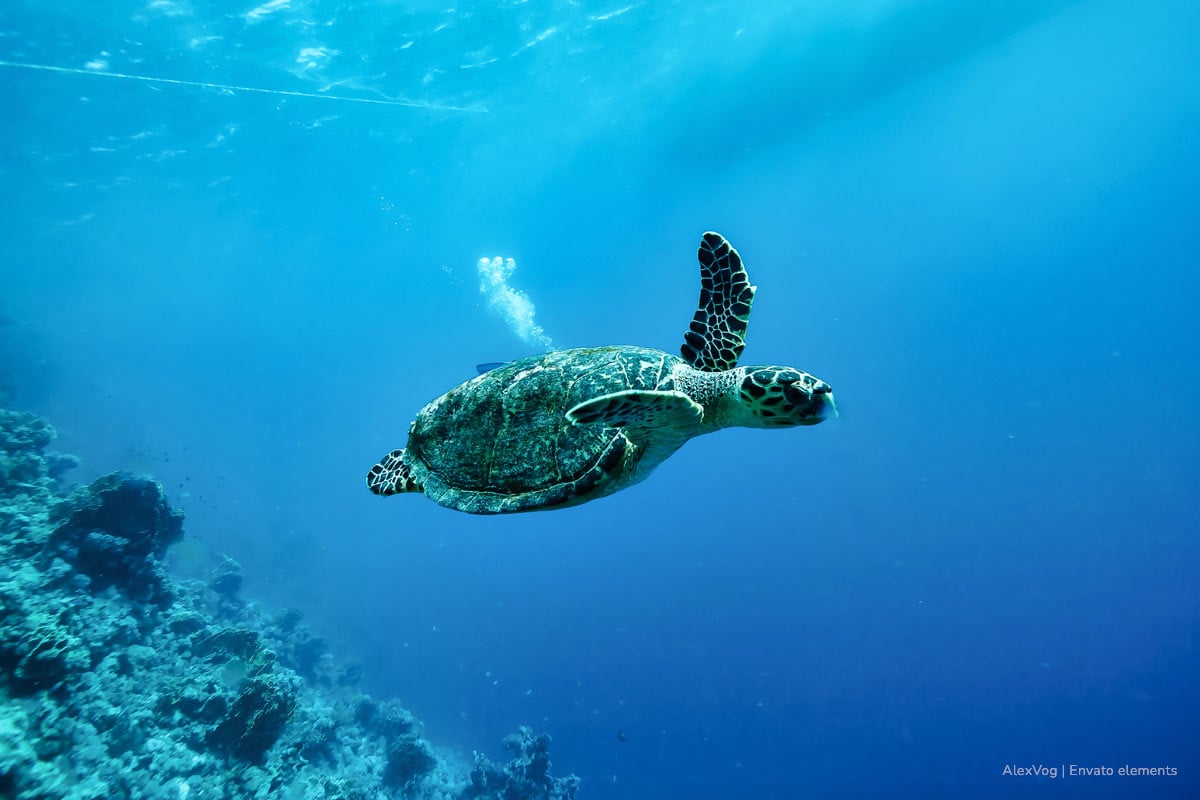
The countries of the so-called Global South tend to have in common that they are highly indebted, highly biodiverse and have an abundance of natural resources. This combination has led to the discussion on the need to compensate them in some way for environmental care, and blue bonds have emerged as one of the alternatives.
Ecuador is one of the countries that has implemented the strategy of swapping debt for so-called blue bonds. This has been advertised as a means to reduce the severe debt overhang, which in Ecuador amounts to US$72,096 million. However, its effect has been a small reduction in external debt.
You may be interested in: Attention, contributors! Court changed the way of calculating the weeks contributed to pension: benefits to many
You may have recently heard of the Galapagos Islands, but not necessarily for their rich diversity of flora and fauna, nor for the many endemic species that inspired Darwin’s theory of evolution.
The name Galapagos has gained prominence in recent months because of the famous blue bonds, as the issuance of debt bonds aimed at preserving and protecting the oceans and their ecosystems is known.
So far in 2023, the government of Ecuador has carried out a historic conversion of foreign debt for nature, reaching a significant amount of approximately 1.1 billion dollars.
Through blue bonds, this swap allows countries and the international private sector and its large companies to acquire part of the country’s foreign debt in exchange for a commitment to the conservation of the Galapagos Islands.
Thus, by allocating US$450 million exclusively to the Galapagos, the Swiss bank Credit Suisse will act as creditor of the committed portion of the debt. This amount will be used to create a trust fund to finance conservation activities over the next 18 and a half years.
What are blue bonds and debt swaps?
Debt swaps are financial operations in which a country or entity restructures its existing debt for a new debt with different terms and conditions.
As explained by the Economic Commission for Latin America and the Caribbean (ECLAC), they are financial transactions in which a country, bank or international organization acquires part of another country’s debt at a lower price, generally when it is considered that the debt has lost its value or that the debtor country is facing difficulties to comply with the original loan.
There is a method known as debt-for-nature swaps, in which companies dedicated to environmental conservation acquire the debt of countries. These countries then issue new bonds pledging to finance conservation projects in exceptional or endangered ecosystems.
These bonds can take different forms, such as “Green Bonds” or “Carbon Bonds”. On the other hand, there are also “Blue Bonds”, which are linked to water, both fresh and marine, and can generate mechanisms for privatization and financial speculation, as well as other types of speculative investments, according to economist Pablo Dávalos.
Debt swaps involve the repurchase of sovereign bonds that are usually traded at a significant discount. Subsequently, a new bond called “blue” is issued as part of the process.
The transaction in Ecuador is similar to the one in Belize, where 12% of GDP in debt was eliminated compared to the 125% burden, a modest figure.
So, how does this leave Ecuador?
The Minister of Economy and Finance, Pablo Arosemena, announced a swap of current debt for approximately US$1.63 billion, obtaining a new debt of US$656 million. This operation immediately cut the total debt balance by about US$1 billion.
Read also: Price of ACPM in Colombia will reach $15,200 with government announcement
According to data provided by the Ecuadorian government, the country’s total external debt -public and private- amounted to US$ 47.502 billion. However, with the issuance of this blue bond, the debt balance was reduced to US$46,530 million.
The new Ecuadorian ‘blue bond’ is backed by a guarantee of US$85 million, granted by the Inter-American Development Bank (IDB). However, it is important to note that the loan received by Ecuador to pay the investment to the Swiss bank comes from the GPS Blue Financing Designated Activity Company (GPS Blue).
Ecuador issued Galapagos Marine Conservation Linked Bonds, also known as blue bonds, with the specific purpose of conserving and preserving the Galapagos marine environment and caring for the oceans.
In addition, private insurers, including Sovereign Risk Insurance Limited and Chubb Global Markets, will provide $390 million in reinsurance. This was done to ensure payment of the $656 million, along with interest, through 2041.
To fulfill this responsibility, the country will allocate funds on a quarterly basis to conservation projects, which will be managed by the Galapagos Life Fund consortium, a non-profit organization that acts as an endowment fund abroad.
Ecuadorian economist Pablo Dávalos explains that the debt swap facilitates financial speculation at the global level. According to him, this could open the door to the creation of similar products that allow financial speculators to appropriate natural resources such as marine reserves, aquifers, lakes, waterfalls and rivers, which could imply a loss of sovereignty for the countries involved.
What about the Galapagos Life Fund consortium?
The consortium was established in Ecuador through Executive Decree 735, signed by Guillermo Lasso on May 9, 2023. However, a few days earlier, on May 5, it was also incorporated as a non-profit company in Delaware, United States, by the companies Pew Bertarelli Ocean Legacy and Oceans Finance Company, as can be verified on the official website of the State.
Delaware is known to be a tax haven, due to its low taxes for companies registered under its jurisdiction. This has led to the identification of numerous offshore companies, i.e. companies that are registered in Delaware although their owners reside elsewhere.
The Fund’s steering committee consists of 11 members, six of whom represent private stakeholders, including two from Pew Bertarelli Ocean Legacy and Oceans Finance Company (a subsidiary of Climate Fund Managers), as well as representatives from the local tourism, fishing and research industries.
The remaining five seats will be allocated to the government of Ecuador. However, the administrative cost structure of the endowment fund has not yet been disclosed.
Galapagos, a World Heritage Site at Risk
As the famous song by the Argentine group Fabulosos Cadillacs once said, “I’ll never forget the days that will never come”, referring to the Galapagos Islands. This UNESCO-declared World Heritage Site is, in a nutshell, mortgaged.
Philanthropic support for the debt swap is contradictory given Ecuador’s severe debt overhang and high-risk profile. Experts, such as Ecuadorian economist Davalos, have said that the biodiversity of Galapagos should not be treated as a tradable object, as it is a strategic resource according to the Ecuadorian Constitution.
The use of financial instruments with development or environmental protection objectives attracts private interests in search of business opportunities.
It is up to megadiverse countries, such as Ecuador and Colombia, to be attentive to the way they manage their external debt in order to reduce it and avoid falling into over-indebtedness without putting their autonomy at risk.
Keep reading: Guide to VAT Refund 2023: How to consult it and claim it if you are a beneficiary