Birth Month Flowers and Their Symbolic Meanings
Read below:
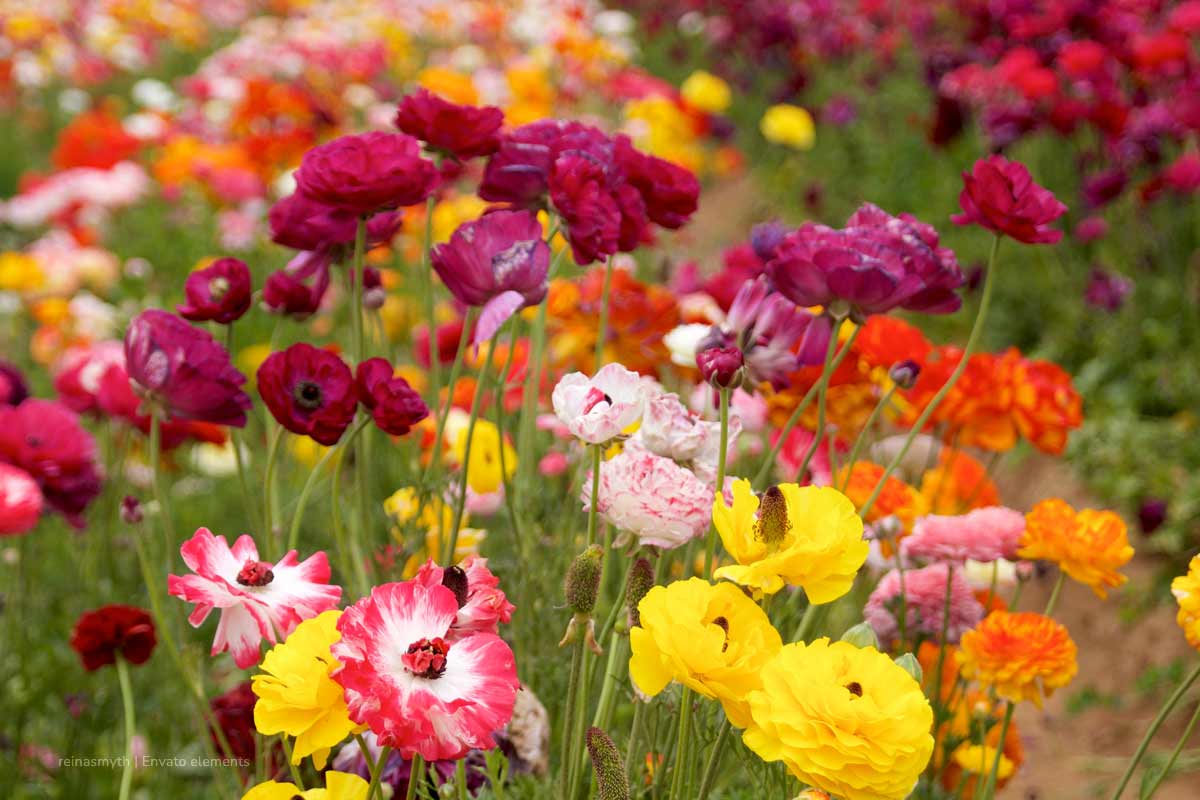
The birth month flowers are typically chosen based on when they bloom during the year, and many of them even carry cultural or religious significance dating back to ancient times. For example, hawthorn has been known as the “Flower of May” associated with Mary.
In modern times, birth month flowers have become a way to commemorate various occasions, including birthdays, weddings, and funerals. A simple bouquet of birth month flowers can add a thoughtful touch when you’re searching for a meaningful gift.
You may be interested in: The Lost City of Atlantis
The meaning of birth month flowers
The symbolism of flowers has held significance across Europe and Asia for centuries and even left its mark on the literary works of William Shakespeare. Flowers and plant symbolism can be found in the mythologies, folklore, sonnets, and plays of ancient civilizations such as the Greeks, Romans, Egyptians, and Chinese. These symbolic meanings have endured through time.
Flowers are a profound way to convey a wide range of feelings; whether the occasion is Mother’s Day, a birthday, or Valentine’s Day, flowers turn out to be the perfect gift. For instance, the orange blossom carries connotations of chastity, purity, and loveliness, while the red chrysanthemum serves as a symbol for “I love you”.
Birth month flowers: from January to December
January: Carnation & Snowdrop
The birth month flowers for January include the carnation as the primary flower and the snowdrop as the secondary flower.
Carnation
Traditionally, carnations were mainly found in shades of pale pink and peach. However, as time has passed, the range of available colors has expanded to encompass red, yellow, white, orange, purple, green, as well as bi-colored and frosted variations.

Much like roses, the various colors of carnations are associated with different symbolic meanings, such as innocence, pure love, remembrance and affection.
Snowdrop

Snowdrops, on the other hand, are versatile flowers that can convey both sympathy and celebration. They are believed to represent optimism and hope during joyful occasions, while offering a symbol of compassion during times of loss or misfortune.
February: Violet & Primrose
The birth month flowers for February are the violet and the primrose.
Violet

The violet has traditionally represented qualities such as modesty, faithfulness, eternal love, innocence, and remembrance.
Primrose

In Celtic folklore, there was a belief that extensive clusters of primrose blossoms served as a doorway to the world of fairies. According to old beliefs, consuming a primrose was said to enable a person to catch a glimpse of a fairy.
March: Daffodil & Jonquil
The birth month flowers for March are the daffodils, also known as jonquils.
Daffodil

Due to their early spring blooming, daffodils are associated with the concepts of renewal and fresh starts. Additionally, they are linked to ideas of inspiration, pardon, and imaginative thinking.
April: Daisy & Sweet Pea
The main birth month flowers for April are the daisies and the sweet peas.
Daisy

For a long time, the daisy has symbolized qualities such as innocence, purity, and genuine love.
Sweet pea

On the other hand, offering a bouquet of sweet peas is a gesture to express farewell or gratitude for joyous times. The sweet peas can convey feelings of delightful joy, warm wishes, kindness, appreciation, and companionship.
May: Lily of the Valley & Hawthorn
The birth month flowers for May include the lily of the valley and the hawthorn.
Lily of the Valley

This flower has been linked to qualities such as motherhood, sweetness, purity, and humility. It symbolizes a return to joy, possibly because of its blooming season and the expectation of summer.
Hawthorn

Hawthorns, on the other hand, have been a traditional symbol of optimism.
You may also be interested in: All about the Tartarian empire: the alleged civilization hidden under the ground
June: Rose & Honeysuckle
The birth month flowers for June are the rose and the honeysuckle.
Rose

Roses have been a symbol of love, beauty and affection throughout history. A red rose is a classic symbol of love and romance, while pink roses express happiness and admiration. White roses embody innocence and purity, orange ones signify desire and excitement, and yellow roses are linked to cheerfulness and joy, although in some folklore, it was associated with jealousy.
Honeysuckle

Historically, honeysuckle has been a symbol of joy and fondness for a new romance. Additionally, it has been associated with a sense of longing for past loves or bygone passions.
July: Larkspur & Water Lily
The larkspurs take the spotlight as the birth month flowers for July, with the water lily as its secondary counterpart.
Larkspur

The larkspur represents positivity, strong connections, commitment, and authenticity. These flowers can also be associated with a sense of playfulness and youthful spirit.
Water Lily

Water lilies are usually seen as a symbol of purity and modesty.
August: Gladiolus & Poppy
The gladiolus are the main birth month flowers for August. The poppy is the secondary flower for this month.
Gladiolus

The gladiolus symbolizes strength, victory, healing, and honor, along with connotations of moral character, remembrance, and intelligence.
Poppy

Poppies have been known for their opiate properties, which have linked them to symbols of sleep, peace, death, and even resurrection, in addition to their enduring symbolism of remembrance.
September: Aster & Morning Glory
The birth month flowers for September are asters and the morning glories.
Aster

Purple asters are associated with wisdom, while white asters represent purity and innocence. Red asters are emblematic of deep devotion and passion, while pink asters symbolize love and kindness.
Morning Glory

The Morning Glory has always been associated with love and romance.
October: Marigold & Cosmos
The birth month flowers for October are the marigolds and the cosmos.
Marigold

Marigolds have usually been associated with positive feelings like hope, happiness, love, and wealth.
Cosmos

Cosmos have traditionally represented order, balance, and harmony, although some see them as a symbol for peace, love, joy, and purity.
November: Chrysanthemum
The birth month flowers for November are chrysanthemums.
Chrysanthemum

These flowers represent loyalty, friendship, and happiness, with each color holding its own unique significance. For instance, red denotes deep love, white represents purity and truthfulness, and yellow is associated with a wounded heart or a love that has been neglected.
December: Narcissus & Holly
The main birth month flowers for December are narcissus and hollies.
Narcissus
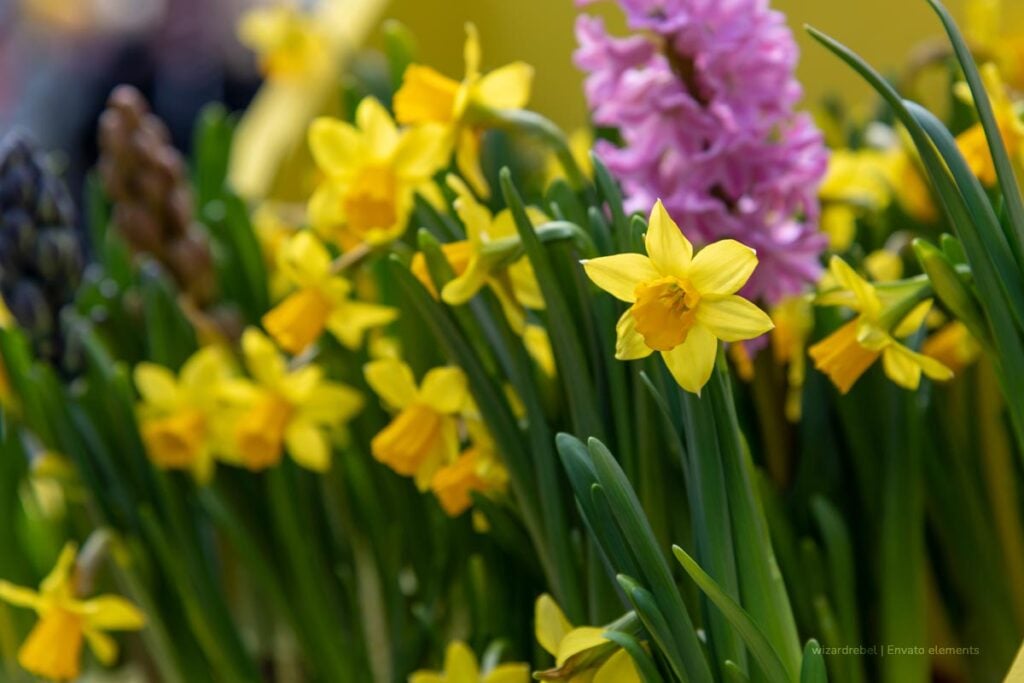
The narcissus is frequently associated with unconditional love.
Holly

Hollies are associated with hope, wealth, and fertility. More recently, the flower has also represented happiness and peace.
Keep reading: What Is A Townhouse?