Countdown for the last 6 glaciers in Colombia at risk of disappearance

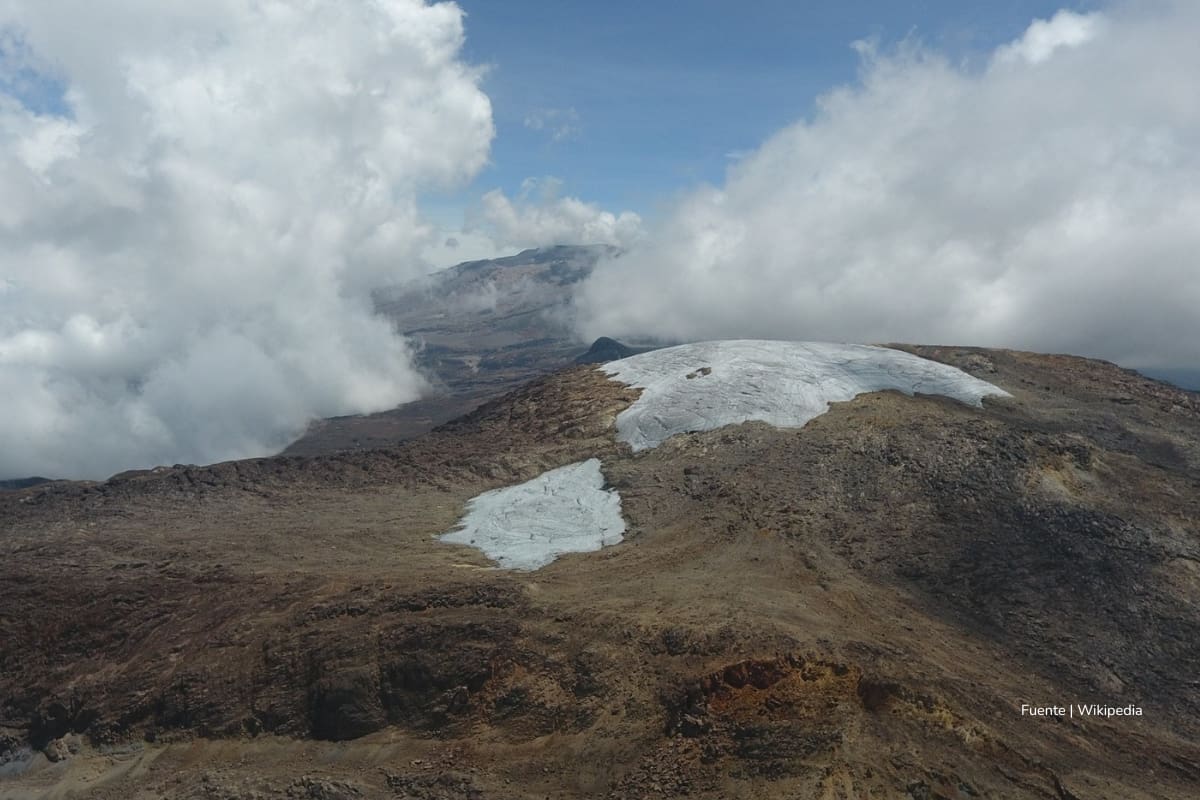
Colombia is on the verge of losing an irretrievable natural heritage. Of the 14 glaciers it had just a century ago, only 6 remain. The progressive disappearance of glaciers in Colombia is one of the most evident manifestations of climate change and a phenomenon that, according to experts, cannot be reversed.
Glacial retreat, accelerated by global warming, represents not only an ecological threat, but also a cultural loss for indigenous communities that have historically coexisted with these ecosystems. According to the Institute of Hydrology, Meteorology and Environmental Studies (IDEAM), the country could run out of glaciers in the coming decades.


You may read: How Trump’s trade war will affect Colombia’s Trade Balance
Alarming situation for 6 glaciers in Colombia
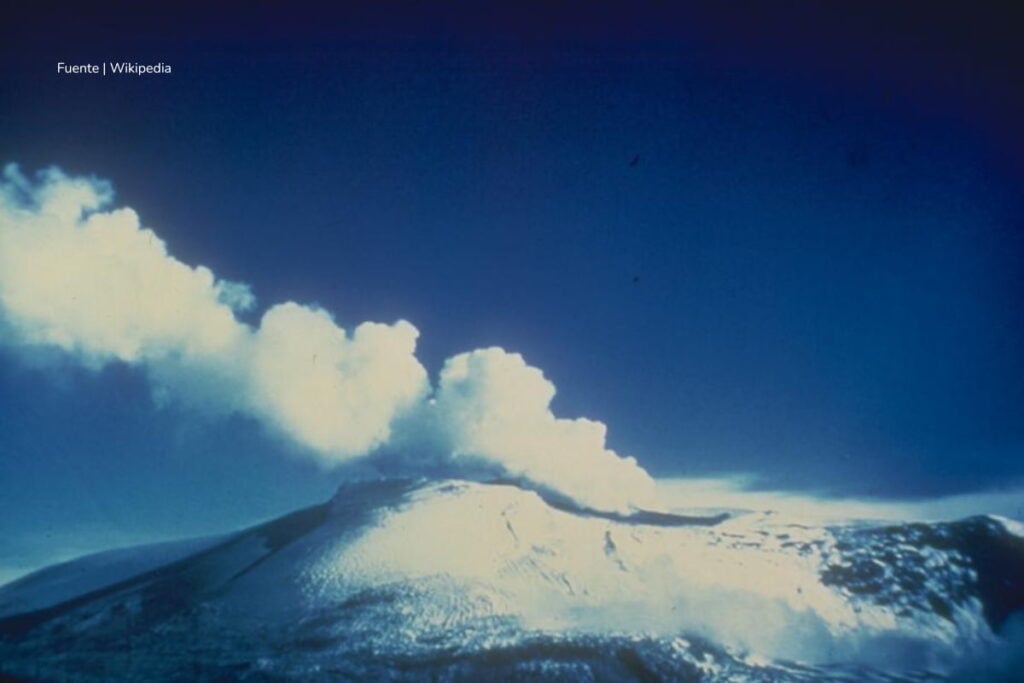
There are currently six glaciers surviving in Colombia: Nevado del Ruiz, Santa Isabel, Tolima, Huila, Sierra Nevada de Santa Marta and Sierra Nevada del Cocuy. Four of them are on active volcanoes, which increases the risk of disappearance due to the internal heat of the earth. The Santa Isabel, for example, is considered the most threatened and could disappear in less than a decade.
The loss of these glaciers is occurring at an alarming rate. It is estimated that their surface area is shrinking by 3 to 5 % every year. This phenomenon is irreversible and there is no possibility of regeneration in the current climate context.
Although glaciers in Colombia only represent 7.5% of the national water supply, their ecological and cultural value is significant. These ecosystems fulfill functions such as:
Tendencias:
➜ California subirá su salario mínimo a US$17,40 en 2027: el cambio también eleva a US$72.384 el umbral para ciertos empleados
➜ ¿Le faltan semanas para pensionarse? Tres fallos de 2026 aclaran cuándo deben contarlas aunque el empleador no haya pagado
- Local temperature regulation.
- Generation of rainfall and humidity.
- Fresh water reserve for paramos and high Andean ecosystems.
- Cultural and spiritual support for indigenous communities.
For peoples such as the Arhuacos or the U’wa, glaciers are sacred. The Sierra Nevada de Santa Marta and the Cocuy are considered spaces of origin and ritual sites. Their loss also implies the erosion of an ancestral identity.
You may also read: China strikes back and hits big U.S. companies
Colombia is losing its tropical glaciers at an alarming rate
What makes Colombia’s glaciers unique is their location in the tropics, close to the equator. Colombia is home to about 45% of the planet’s tropical glaciers. This particularity has turned the country into a reference in tropical glaciology studies. However, this same uniqueness makes them more vulnerable.
Geologist Camila Martínez, researcher of the Climate and Glaciology Seminar of the European Association of Geoscientists and Engineers, affirms that the speed with which glaciers are disappearing in Colombia responds to the impact of human activity. “The planet has gone through climatic cycles, but never with this speed. Industrial emissions have accelerated global warming and glaciers are reacting to this change”, he explains.
Some consequences of the disappearance of glaciers in Colombia will directly affect:
- High mountain ecosystems.
The water supply of rural populations.
- Biodiversity, which depends on the humidity and temperature regulated by the ice.
- Economic activities such as ecotourism and agriculture in nearby areas.
In addition, its disappearance will increase vulnerability to droughts and reduce the capacity for natural water regulation in key regions.
Limited institutional response to the decline of glaciers in Colombia
Despite the scientific evidence, the governmental response has been insufficient. There are academic initiatives and international declarations, such as the UN’s International Year of Glacier Conservation in 2025, but there is no comprehensive State policy that urgently addresses this problem.
So far, actions are limited to monitoring, local environmental education programs and promotion of citizen awareness. There are no effective mechanisms to slow down the melting of ice and there are no adaptation strategies aimed at the most vulnerable communities.

What can be done?
The disappearance of glaciers in Colombia cannot be completely avoided, but their impacts can be mitigated through:
- Reducing greenhouse gas emissions.
- Protection of high mountain ecosystems.
- Environmental education in nearby areas.
- Strengthening public policies on climate change.
The scientific community insists that the most urgent thing is to recognize that this is a definitive loss and act to protect what is left of the glacier environment in Colombia. Awareness and collective action are, for now, the only tools available in the face of a process that is accelerating every year.
https://mascolombia.com/en/trumps-tariffs-hit-colombia-manufactures-flowers-and-coffee-among-the-hardest-hit/