Enforced disappearance: the cost of finding them
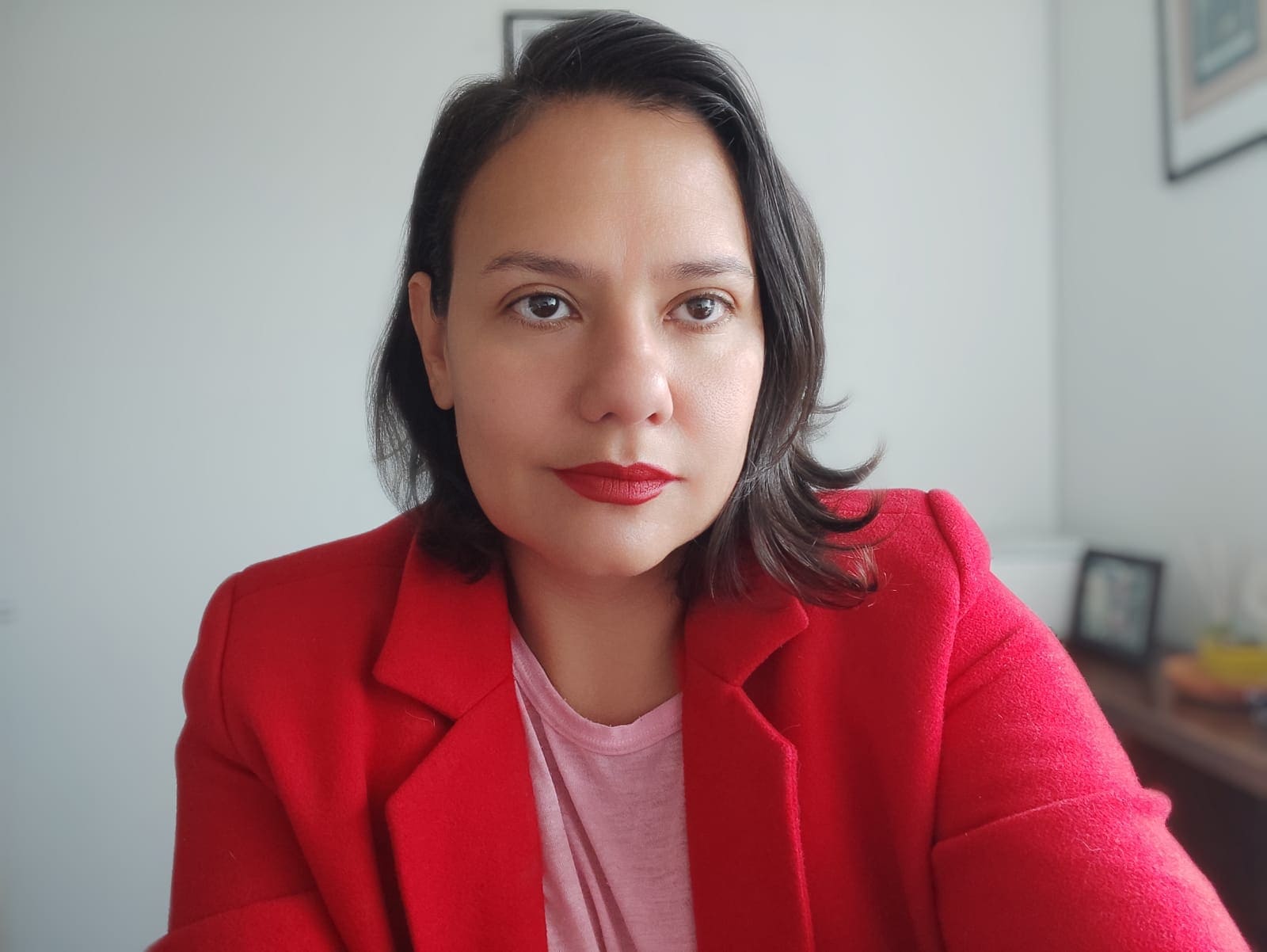
Laura Bonilla
Subdirectora de la fundación Pares. Politóloga, magíster en estudios políticos y latinoamericanista. Experta en paz, seguridad y violencias organizadas.
As an analyst, one should avoid comparing types of violence and human rights violations in terms of harm suffered. The main reason for not doing so is precisely that: not to cause more harm than has already been experienced.
However, there is something about enforced disappearance that generates a special uneasiness and that is uncertainty. One does not know whether one’s relative is alive or dead. The people left behind are never sure what they will find. The search becomes their life.
You may read: All about María Fernanda Cabal’s bill against teachers’ right to protest
For this reason, the way in which María Fernanda Cabal referred to the work of the Unit for the Search for Missing Persons and the work they do in the framework of transitional justice is particularly cruel.
Networks and bonds of pain have been woven around the missing persons, and many families still hope to at least know what happened. It is not so simple to search. It is not just a matter of asking questions. The truth of what happened to them sometimes rests with people who have already died, or in cases as serious as those of the Palace of Justice, and has been part of a reprehensible pact of silence.
Finding a single missing person can take more than thirty years. This is assuming that countries agree to repudiate the practice and stop the associated violence. In Colombia, the Search Unit estimates around 103,000 people, collated and compiled from various sources, three times more than the disappeared of the Argentine dictatorship.
Worldwide, it can take thirty years to find a single disappeared person. Our figures are aberrant, and we continue to produce victims. 400 billion are too few for the dimension of this barbarism.
In no way can a society that aspires to peace afford to stop searching.
Even so, there is progress. For example, there is now a database containing the biological samples of almost 25% of the universe of search requests. In other words, as remains are found, they can be compared with DNA to verify identity.
You may also read: Colombia could be a major supplier for the global energy transition
In addition, 929 bodies have been found after many statements, investigations, collation of information, interviews, request for exhumations, among other activities to be carried out. Furthermore, these almost 1,000 bodies represent the best result ever achieved. Previously, the Prosecutor’s Office reported much lower numbers in the same period.
But the search is not only to find out what happened. That is a fundamental part of the truth, but it is not enough.
Finding the missing persons also means providing the opportunity for a surrender that repairs and closes the wounds that generate new victimizations. It contributes to close the cycle of multiple organized violence, but, above all, of that which hurts enormously: the damage caused by those who are supposed to take care of us.
It is not true what Senator Cabal says about the political bias in the search, not even in the construction of the historical truth. The evidence disproves it.
In the case of Operation Berlin, having found the bodies of the children and young people murdered and buried as NN in the Bucaramanga cemetery simultaneously told the story of their disappearance and their recruitment. It told the story of the army that executed and hid them, and the story of the FARC that recruited and used them as cannon fodder. But, above all, it allowed the families to at least come out of the uncertainty.
Today, August 30, marks the International Day of the Victims of Enforced Disappearances. Colombia is still far from achieving many goals, including the most basic one: stopping the violence. But at least it has begun a path to end the mechanism of terror that has been this form of violence, which must never be repeated.
For now, despite Senator Cabal’s ill-intentioned and rather clumsy opposition, it is necessary to continue insisting on finding everyone.
Saying is not doing