How long can you keep cooked vegetables in the fridge?
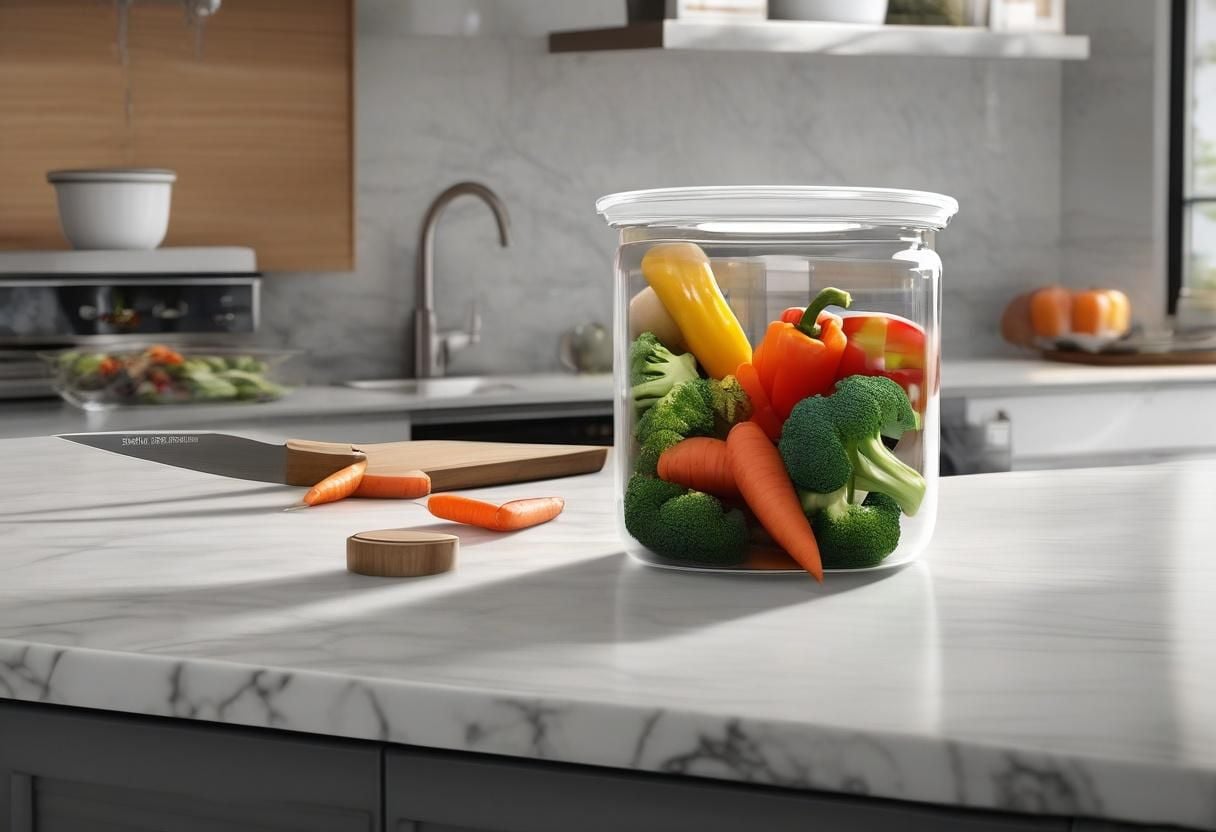
How long can you keep cooked vegetables in the fridge
Cooked vegetables can typically last in the fridge for up to 3 to 7 days, depending on how they were prepared and stored.
If they are properly cooled and placed in an airtight container, you can optimize their freshness and safety. Remember to check for signs such as off smells or discoloration before consumption.
To enhance their longevity, store them at the back of the fridge where temperatures remain consistent. Always label your containers with the date they were cooked to keep track.
Factors Affecting Shelf Life
- Cooking Method: Steamed or blanched vegetables tend to last longer than those prepared with fats or sauces.
- Storage Conditions: Ensure your fridge is set at or below 40°F (4°C) for optimal preservation.
- Type of Vegetable: Root vegetables like carrots and potatoes can last up to a week, while leafy greens may not last as long.
Best Practices for Storing Cooked Vegetables
- Cool them down before storing to prevent condensation.
- Use airtight containers to minimize exposure to air.
- Consider blanching before freezing for long-term storage.
Signs of Spoilage
Before consuming your stored vegetables, check for the following signs of spoilage:
- Unpleasant odor
- Soft or mushy texture
- Visible mold or discoloration
When in doubt, it’s always safer to throw them out.
Related Cooked Items
- How long do cooked beets last in the fridge
- How long does vegetable soup last in the fridge
- How long can you keep cooked broccoli in the fridge
- How long does cooked tofu last in the fridge
Freezing Cooked Vegetables
If you have a surplus of cooked vegetables, consider freezing them.
Most cooked vegetables can last for up to 10-12 months in the freezer if stored properly in labeled, freezer-safe bags or containers.
Blanching before freezing can help preserve their color, flavor, and nutrients.
Conclusion
In summary, cooked vegetables can provide nourishing meals for days when stored properly. Remember to keep track of the storage time, observe best practices, and prioritize food safety!