How long do cooked shrimp last out of the fridge: must-know facts revealed
Understanding the shelf life of cooked shrimp
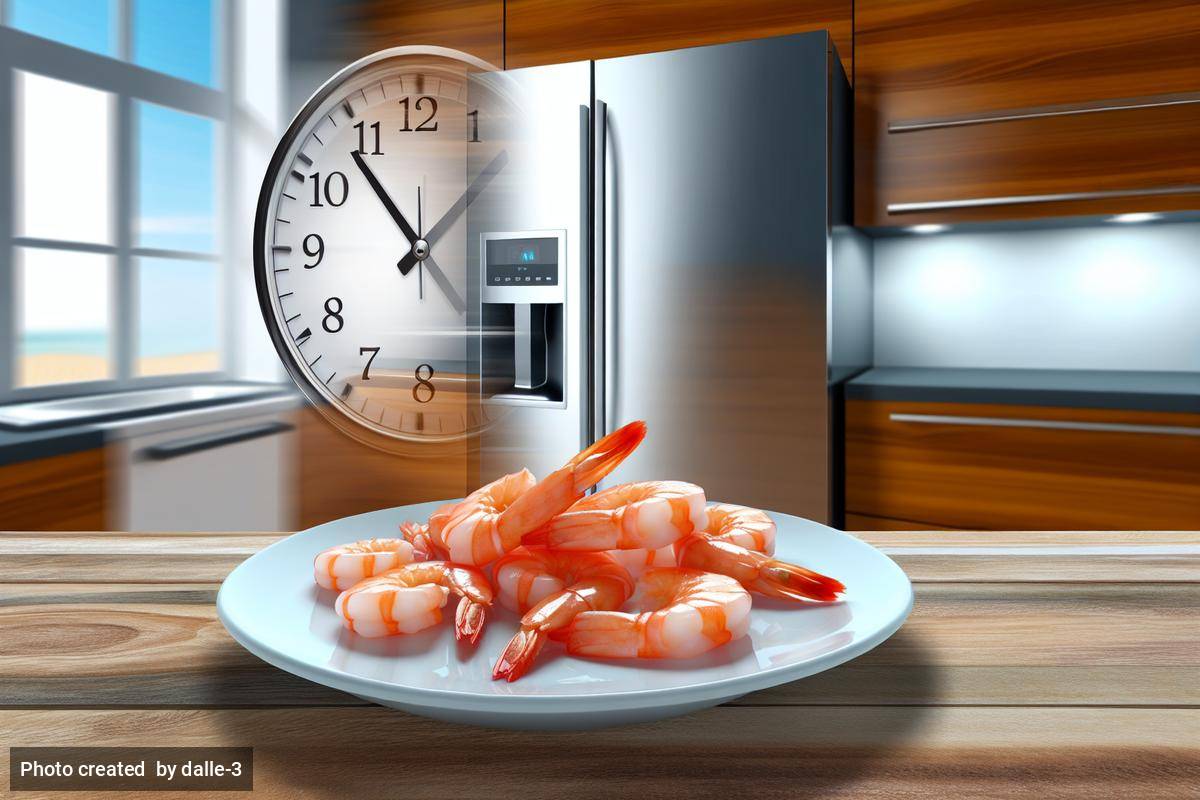
Cooked shrimp are a delicious and versatile seafood option that many enjoy. However, knowing how long they can safely be out of the refrigerator is crucial. Typically, cooked shrimp should not be left out for more than two hours at room temperature. This standard is due to the potential growth of harmful bacteria like Listeria, which can cause foodborne illnesses.
Having successful seafood meals depends significantly on understanding these time constraints. If you live in warmer climates where room temperature often exceeds 90°F, you should limit shrimp exposure to no more than one hour. Keeping track of time is essential to ensure your shrimp remain safe to eat.
Maximizing freshness post-cooking
As soon as the cooking process ends, prioritize storing any leftovers promptly. Immediately refrigerating or freezing cooked shrimp can significantly extend their safe consumption period. In the refrigerator, cooked shrimp can last between three to four days, making it essential to store them properly to enjoy them later.
For best results, place the shrimp in an airtight container or wrap them tightly with aluminum foil or plastic wrap. This strategy not only preserves freshness but also prevents contamination from other foods within the fridge. Responsible storage is your first line of defense against spoilage.
Reheating shrimp the right way
When you’re ready to enjoy your leftovers, ensuring that they are reheated correctly is vital. The goal is to heat them to an internal temperature of 165°F to kill any potential bacteria that may have developed while stored. Safe reheating involves using a microwave, stovetop, or oven, depending on your preference.
It’s essential to avoid overheating shrimp, as they can quickly become tough and rubbery. Gentle, even heat will help maintain their tender texture and delicate flavor. This care in preparation ensures a delightful dining experience without compromising safety.
Tendencias:
➜ California subirá su salario mínimo a US$17,40 en 2027: el cambio también eleva a US$72.384 el umbral para ciertos empleados
➜ ¿Le faltan semanas para pensionarse? Tres fallos de 2026 aclaran cuándo deben contarlas aunque el empleador no haya pagado
➜ FOMAG alerta por patrones anómalos en incapacidades: qué pasa con más de 340.000 docentes
Signs your shrimp has gone bad
Learning to recognize when shrimp are no longer safe to eat is essential, even if stored correctly. Key indicators include a sour smell, dull color, or slimy texture—all signs that the shrimp have spoiled. Once these signs are present, it’s crucial not to consume the shrimp.
If in doubt, it is better to discard questionable shrimp than to risk any health issues. Remember, practicing safety with seafood consumption is always paramount.
Avoiding cross-contamination
When storing cooked shrimp, one must consider the potential for cross-contamination. Keeping shrimp securely covered and separated from raw meat and other foods will help maintain their integrity. This practice is especially important if you’re sharing refrigerator space in a busy household.
Similar to our tips for how to store grapes in the fridge, using separate containers and never mixing them with other foods helps prevent any cross-contamination. This routine will keep your dishes fresh and safe.
Exploring alternative storage
Freezing cooked shrimp is an excellent option if you anticipate not consuming them within the refrigerated timeframe. When properly frozen, shrimp can last up to six months. For best results, label and date your shrimp so they’re easy to track and rotate.
Freezing extends the shrimp’s shelf life without sacrificing quality or flavor. Ensure they are in sealed containers or heavy-duty freezer bags to prevent freezer burn, which can affect taste and texture. This preparation ensures you can enjoy a seafood feast whenever you crave it.
The impact of shrimp on meal planning
Integrating shrimp into your meal plans involves some strategic planning to accommodate their storage needs. Knowing their shelf-life helps plan meals effectively without wastage. For comparison, consider how long cooked vegetables in the fridge last, as applying similar discipline can help manage your inventory.
Meal planners often find creating a weekly menu aids in reducing food spoilage and optimizing shrimp use. With careful scheduling and mindful use, shrimp can be an essential part of diverse, nutritious meals.
Related topics to explore
Understanding how different foods’ storage conditions can benefit your overall kitchen management. For instance, learning how long tuna mayo lasts in the fridge can assist in planning seafood-based dishes, ensuring complete meal safety.
For those interested in broader food safety topics, exploring how much power a mini fridge uses can provide insights into more energy-efficient storage solutions. Leveraging this information can lead to better kitchen practices.
Taking a broader look
While we have focused on shrimp, it is useful to consider food safety more broadly. Discovering how long homemade juice lasts in the fridge or dealing with other perishable goods can enhance your understanding of health and efficiency.
Food safety knowledge is essential to maintaining a lifestyle that values both health and enjoyment of good food. Embracing these practices ensures you’re prepared for any culinary endeavor.