Effortless tips on how long do it take for a fridge to get cold quickly
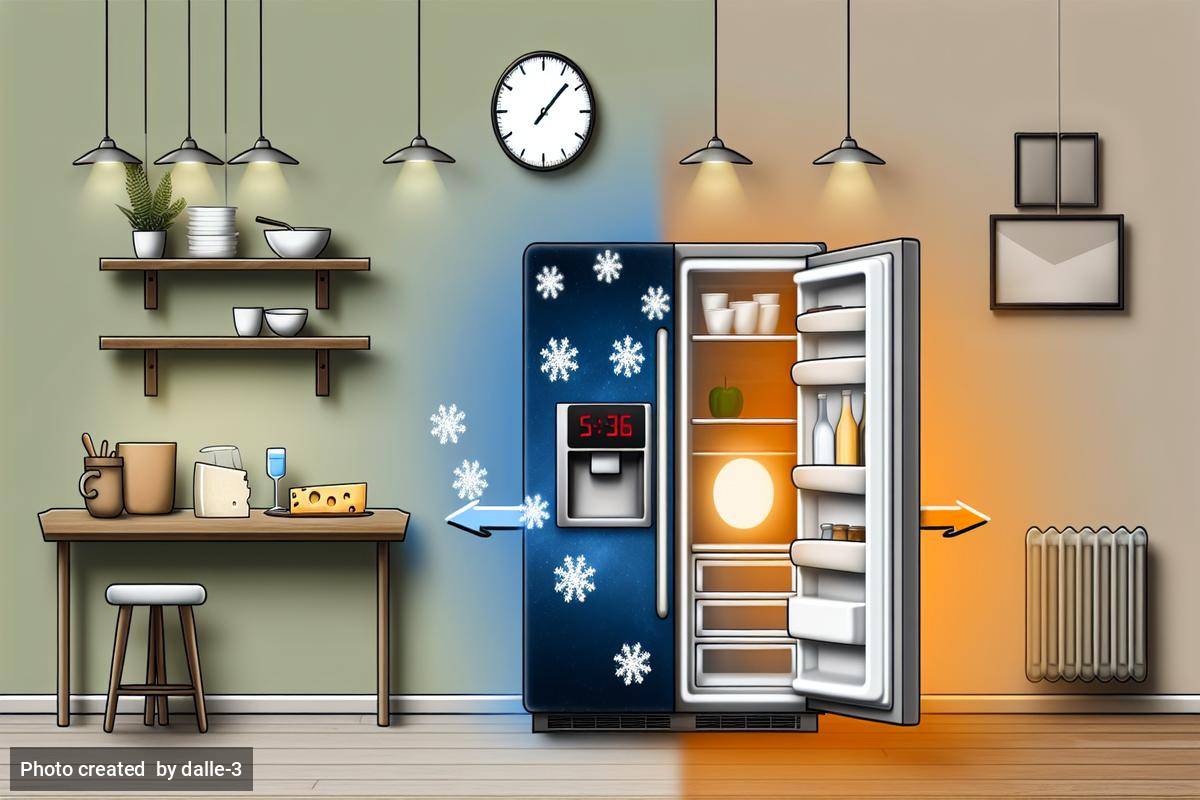
Understanding how long a fridge takes to cool down
There’s nothing worse than waiting for a new fridge to cool down or experiencing a power blackout, leaving you clueless about how long it’ll take for the fridge to get cold. Typically, it will take about 12 to 24 hours for your fridge temperature to stabilize. The exact time depends on various factors, including the fridge model and size.
When you first plug in your new fridge, patience is key. Make sure that you set it to the optimal temperature settings recommended by the manufacturer. And once you do, avoid filling it up with groceries immediately.
Factors affecting cooling time
The initial cooling time can vary depending on multiple factors. First off, the type of fridge is crucial. Mini-fridges, for instance, usually take less time compared to full-sized models. But bear in mind the same principle applies when asking how much power do a mini fridge use?
It’s not just the type; external temperature and room temperature make a difference too. During hot days, your fridge may take longer to cool down. So paying attention to these details can help you better estimate the cooling time.
Tips to speed up the cooling process
Although you can’t rush science, there are ways to help your fridge cool faster. First, place it in a ventilated area. Circulation is key, and leaving some room behind the fridge for air to pass will aid in faster cooling.
Second, resist the urge to open the door frequently. Each time you open that door, warm air seeps in. Remember that patience is a virtue!
Tendencias:
➜ California subirá su salario mínimo a US$17,40 en 2027: el cambio también eleva a US$72.384 el umbral para ciertos empleados
➜ ¿Le faltan semanas para pensionarse? Tres fallos de 2026 aclaran cuándo deben contarlas aunque el empleador no haya pagado
➜ FOMAG alerta por patrones anómalos en incapacidades: qué pasa con más de 340.000 docentes
Knowing when your fridge is cold enough
You’d certainly want to know when your fridge is working. One of the easiest ways is to use a fridge thermometer. The optimal temperature is typically between 37°F to 40°F.
If you don’t have a thermometer handy, try the good old ice cube trick. Pop an ice cube in a cup and place it in the fridge. When the ice cube stays solid and dry, your fridge is at an ideal temperature to store groceries.
Understanding fridge noise during the process
Some fridges can get noisy when they’re cooling. Understanding the sounds your fridge makes can save you from unnecessary worry. For instance, if you ever wondered why your fridge makes noise but stops when opened, rest assured it’s often due to fans slowing down or stopping when the door opens.
Being attuned to these sounds is important. If you notice any excessive or suspicious noise, you might want to consult a technician to make sure everything is in perfect working order.
The relationship between cooling time and food safety
Safe food storage is directly linked to correct fridge temperature. Knowing how long a fridge takes to cool becomes essential when refrigerating perishables. Imagine buying seafood and then pondering how long tuna mayo lasts in the fridge, only to realize your fridge hasn’t reached the right temperature yet.
Making sure your fridge cools effectively is a simple step towards ensuring that the food you keep is as fresh as possible.
Preventive maintenance for better performance
Like any appliance, regular maintenance can extend the life and efficiency of your fridge. For example, cleaning the coils can significantly improve cooling performance. Ignoring routine maintenance could result in issues that cause your fridge to take longer to cool.
Remember to consult your fridge’s manual for best maintenance practices to keep it in top-notch condition, reducing cooling time and enhancing performance.
When to seek help
If you notice significant delays in cooling despite trying every known trick, it might be time to call a professional. Delays could signal more serious issues that require expert attention.
A professional’s guidance will not only address current problems but may also provide insights into why your fridge isn’t cooling while the freezer works.
Wrapping up
Understanding your fridge’s cooling time is an integral part of maintaining food safety and prolonging the life of the appliance. Remember to give any new fridge time to settle and ensure optimal temperature settings are applied.
Regular maintenance and awareness of environmental factors are critical. Armed with this knowledge, you’re better equipped to ensure your fridge operates smoothly, keeping your food fresh and safe.