How to make fridge colder: 8 proven techniques for better cooling
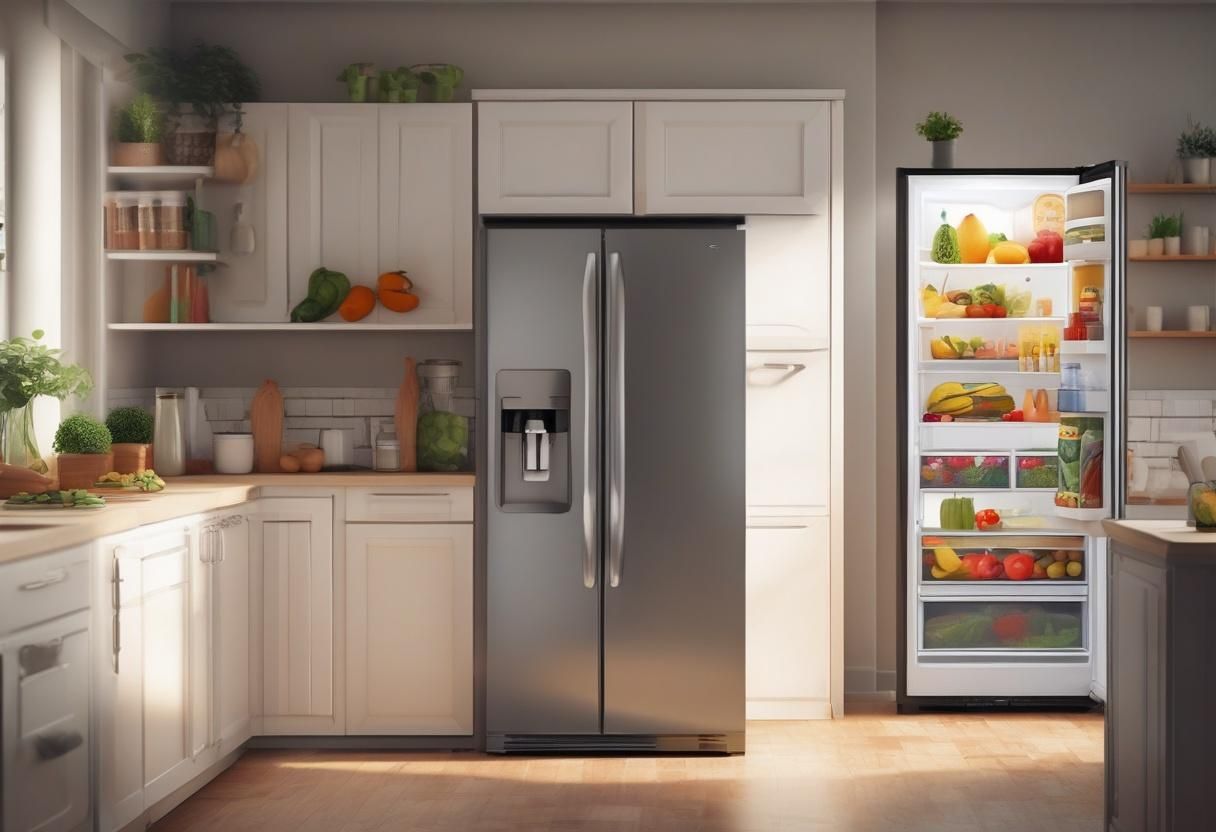
How to make fridge colder
To make your fridge colder, start by adjusting the temperature setting to a lower number. Check the temperature with a thermometer to ensure optimal cooling. Here are several proven techniques to achieve a colder fridge effectively:
1. Optimize Temperature Settings
The first step in ensuring your fridge is colder is to adjust the temperature setting. Most refrigerators have a temperature dial ranging from 1 to 7, where 1 is the warmest and 7 is the coldest.
Consider setting your fridge between 3 and 5 for optimal cooling. You can monitor it with a fridge thermometer to ensure it stays between 35°F and 38°F (1.7°C to 3.3°C).
2. Check Door Seals
A good seal is critical for your fridge to maintain its temperature. Inspect the rubber door seal for any tears or gaps. A simple test to check the seal is to close the fridge door on a piece of paper.
If you can pull the paper out easily, the seal might need replacement or repair.
3. Organize Contents
Proper organization in your fridge can significantly aid in airflow. Avoid overcrowding the fridge, as this restricts air circulation, leading to uneven cooling. Consider using bins or containers to group similar items together.
Keep frequently used items towards the front to reduce the time you keep the door open.
4. Keep It Full
A full fridge retains cold better than an empty one. If your fridge has empty spaces, consider filling them with water bottles or other items. This helps maintain lower temperatures more efficiently.
However, be careful not to overcrowd it as it can impact airflow!
5. Clean the Coils
Dirty condenser coils can hinder cooling efficiency. Regularly check and clean the coils located either at the back or underneath your fridge.
Use a vacuum or brush to remove dust and debris, enhancing your fridge’s cooling capabilities.
6. Avoid Hot Foods
Putting hot food directly into the fridge increases the internal temperature, forcing your fridge to work harder. Let food cool down to room temperature before storing it in your fridge.
This keeps the internal environment stable and aids in maintaining a colder temperature.
7. Monitor Humidity Levels
High humidity can cause moisture buildup, leading to frost and affecting cooling. Use dehumidifiers in areas where excess humidity arises. You may also consider a hygrometer to monitor humidity levels inside your fridge.
This can help maintain an ideal balance for your food storage.
8. Food Storage Tricks
Certain foods can help maintain a lower temperature in the fridge. Items like frozen water bottles can help keep the internal temperature down. Place them in available spaces to maintain a consistent low temperature.
Lastly, check out these internal links for more tips on maintaining food freshness!
- How long does queso last in the fridge?
- How long do cooked beets last in the fridge?
- How long is cooked corn good in the fridge?
- How long does sweet tea last in the fridge?
By applying these methods, you’ll ensure your fridge operates more effectively and keeps your food fresher for longer.