How to store food in the fridge diagram: Your ultimate guide
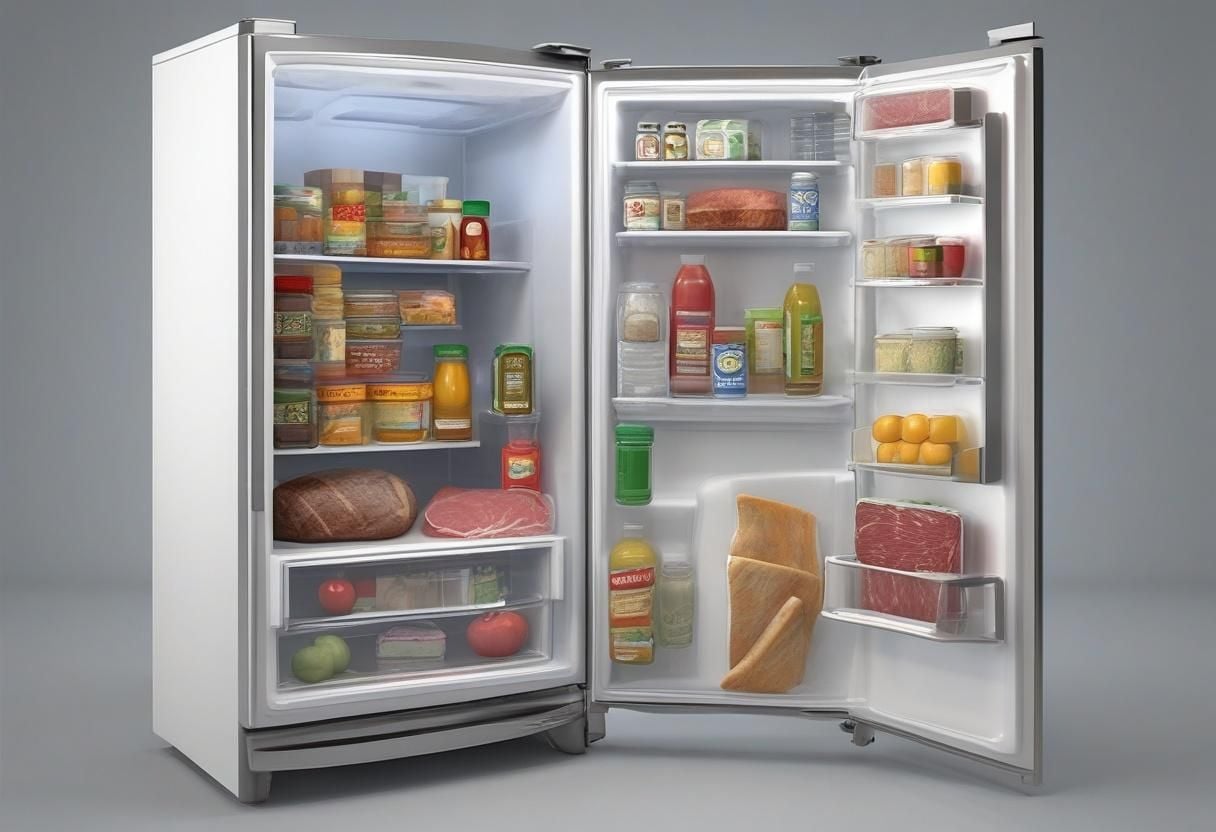
How to store food in the fridge diagram
Properly storing food in the fridge is essential for maintaining freshness and preventing food waste. Understanding the best practices will help ensure your meals stay safe to eat and delicious. In this guide, we’ll explore the best ways to organize your refrigerator and keep food at its best.
1. Organize by Food Type
One of the most effective ways to store food is to organize it by type. Here’s how:
- Dairy products: Keep milk, cheese, and yogurt on the upper shelves, where the temperature is more consistent.
- Meats and poultry: Store raw chicken, beef, or seafood on the bottom shelf to avoid cross-contamination with other foods.
- Fruits and vegetables: Use the crisper drawers, as they provide the ideal humidity for fresh produce.
- Condiments: Keep sauces and dressings on the door for easy access, but be aware they might not have the best temperature.
2. Maintain Proper Temperature
The ideal fridge temperature is between 37°F (3°C) and 40°F (4°C). Regularly check your fridge’s temperature settings for optimal food storage:
- Use a fridge thermometer to monitor the internal climate.
- Avoid placing hot food directly in the fridge; let it cool down first.
3. Wrap and Cover Foods
Using airtight containers and wraps can help maintain freshness:
- Cover leftovers with plastic wrap or foil to prevent spoilage.
- Store herbs in damp paper towels or sealed bags for longevity.
4. Label and Date Items
Keeping track of when food was stored can help reduce waste:
- Use removable labels to mark storage dates on containers.
- Regularly check for expired items and clear them out.
5. Specific Food Storage Tips
Every food type has different storage needs:
- For more information on how long different foods last in the fridge:
6. Diagram of Fridge Organization
Referencing a diagram can significantly help understand how to organize your fridge:

7. Conclusion
Following these tips on how to store food properly in your fridge will maintain freshness and safety. Regular organization and cleaning can help track your items effectively, reducing food waste in the process.