More than 300 millionaires, economists and global leaders unite for higher taxes on the wealthy
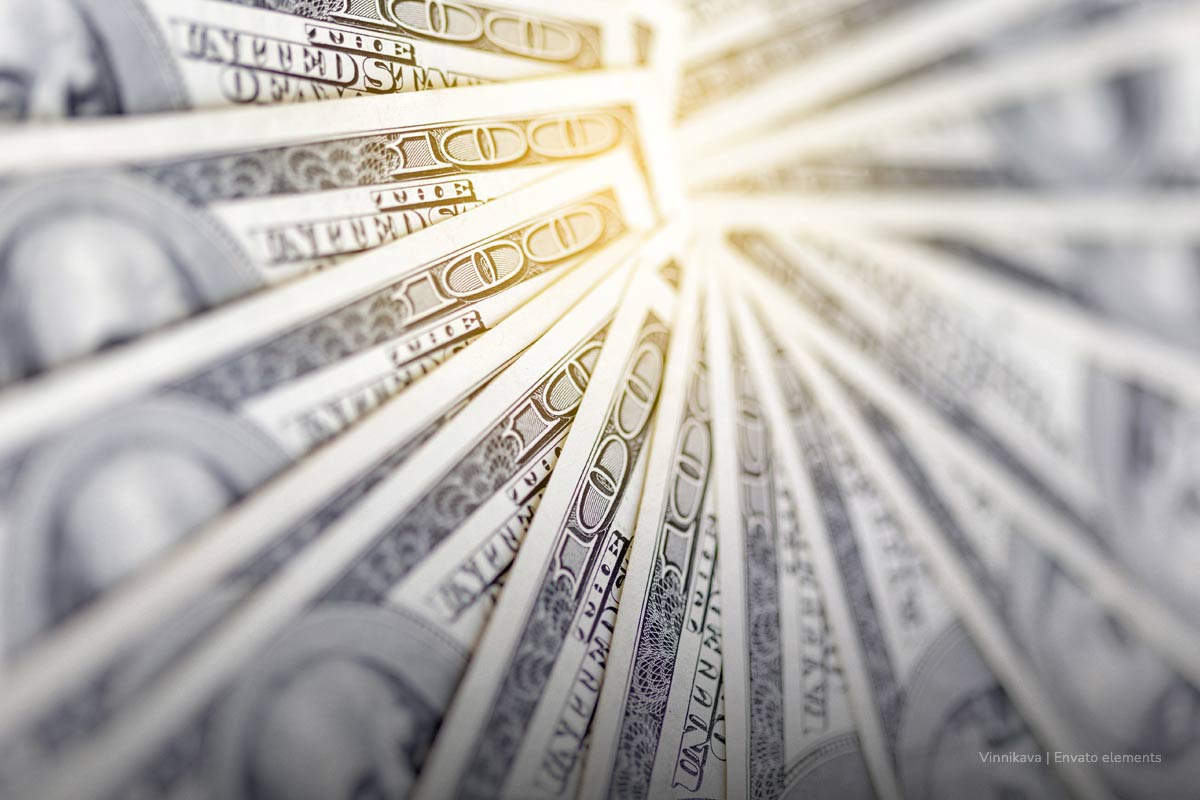
In a historic letter, which brings together hundreds of millionaires from around the world, economists and global leaders – including former presidents – urgently calls on G20 governments to take concrete steps to curb the growing accumulation of extreme wealth and to impose higher taxes on the wealthy.
You may read: The World’s Most Powerful Passports: Rankings and Insights
The letter highlights the importance of addressing economic inequality globally and ensuring that those with greater resources contribute fairly to society in times of great social, economic and environmental challenges.
The accumulation of extreme wealth by the world’s richest is corroding our collective future.
— Tax Justice Network (@TaxJusticeNet) September 5, 2023
Economists, millionaires, and politicians from around the world agree: it’s time for the #G20 to finally do something about it. #taxextremewealthhttps://t.co/X8mNqj6OIV
Specifically, the letter calls on the leaders of the G20 countries to collectively agree to raise taxes on the wealthy, in an exercise of international collaboration to tax wealth and stop competition and tax evasion by the wealthiest.
The signatories call for working together to enact tax regimes at the national and international levels that limit the ability of the wealthiest to avoid taxes, while introducing new rules towards fairer taxation.
Historic letter: taxes on the wealthy
The letter highlights the economic, ecological and human rights impact of the growing accumulation of wealth in the hands of the few, even describing it as a threat to political stability in several countries.
You may also read: Is coffee consumption healthy: this is what several studies answer
Growing inequality is of concern to leaders and economists, who unite in a call to face the challenges of the global economy. According to United Nations data, in February of this year only 10% of the world’s population owned 52% of global wealth.
After decades of tax cuts for the richest, with the promise that the global economy would benefit from the economic growth of the wealthy, the gap between rich and poor has widened significantly.
The letter also highlights that, for the first time in decades, indicators of extreme poverty are showing an increase. The World Bank, for example, estimates that the Covid-19 pandemic reversed the 25-year trend of declining extreme poverty. The entity states that, in 2020, the number of people living in extreme poverty (living on less than USD 2.15 per day) increased between 75 and 95 million.
Regarding this economic imbalance, the letter also highlights the need to promote and implement green investments and strategies that are aligned with global warming and climate conditions already outlined by the Paris Agreement. The world is up against the clock and taxes on the wealthy continue to represent a step backwards, the missive states.
G20, a highly influential group
The G20, Group of Twenty, is an international forum that brings together government leaders and central bank presidents to address strategies for the promotion of global financial stability.
This group represents the main forum for global political and economic debate and decision-making.
The G20 is composed of 19 nations and the European Union. These 19 countries include Argentina, Australia, Brazil, Canada, China, France, India, Indonesia, Italy, Japan, Mexico, Russia, Saudi Arabia, South Korea, South Africa, South Korea, Turkey, the United Kingdom and the United States.
The G20 countries account for 85% of global gross domestic product, comprise two-thirds of the world’s population and contribute 75% of international trade.
Public surveys in all G20 countries show overwhelming support for political action to curb inequality and extreme wealth accumulation. In particular, a current international petition to raise taxes on the wealthiest gathered hundreds of thousands of signatures.
The landmark letter asserts that an international agreement on taxing the richest could reduce the dangerous and alarming levels of inequality experienced by the global population, while providing political leaders with vital funds to address the environmental challenges facing the planet.
You can find the letter to G20 members here.
The fight against corruption in Colombia is falling short: Transparencia por Colombia