What are Hydrocolloid Bandages, and what are they made of?
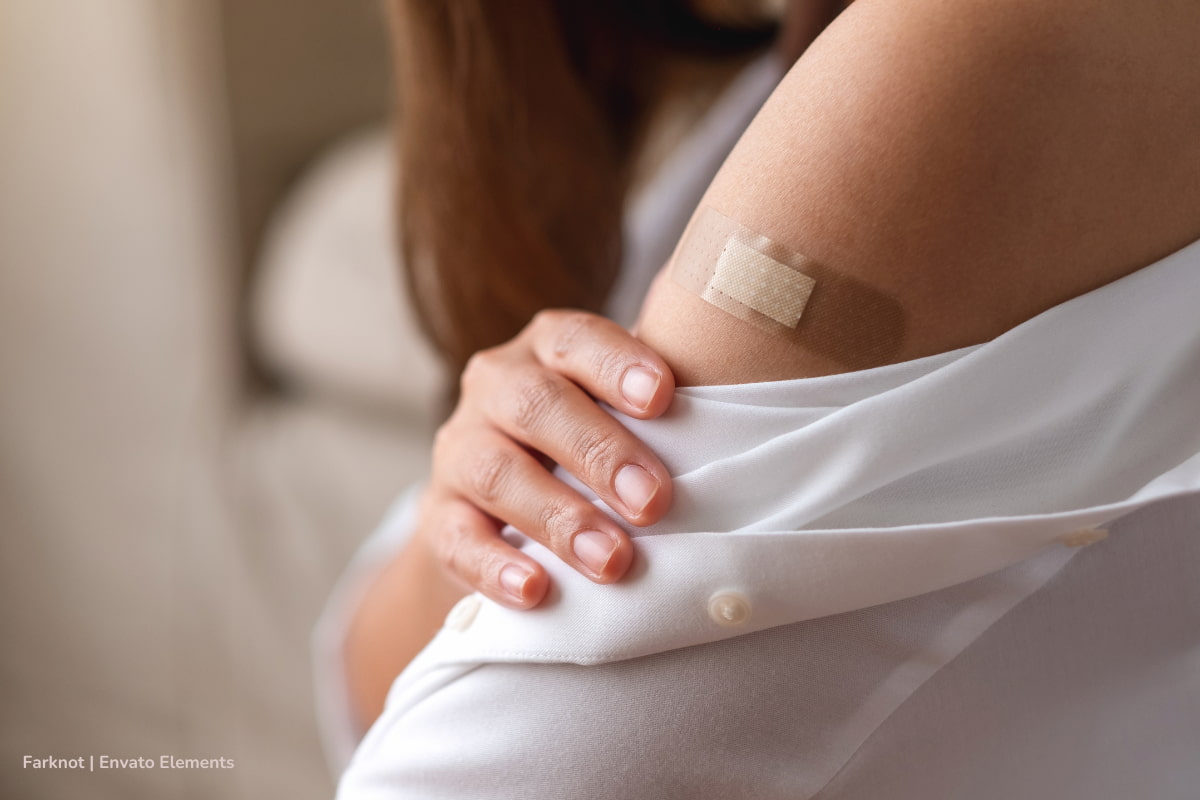
You can get great benefits from applying hydrocolloid bandages over open skin spots, like scratches and gushing pimples. These bandages will keep them moist and sealed, helping your healing process. But how do they exactly work?
Conventional bandages do not really have any components to help accelerate the healing of the area. Hydrocolloid bandages, on the other hand, have a component that, when exposed to fluids like seeping pus, transforms into gel.
In some cases, this creates more than a favorable environment for healing.
Now, let’s see how you can use hydrocolloid bandages to treat acne and wounds.
Read below
What are hydrocolloid bandages made of?
Hydrocolloid Bandages are actually made of two layers. Foam or polyurethane film in the form of thin sheets form the backing or outer layer. This layer creates a seal that prevents bacteria from entering the wound, keeping it clean.
The other layer —the exterior one— may be semipermeable (keeps air in but prevents moisture from entering). It can also be nonpermeable (keeps both air and moisture out).
This is exactly what separates hydrocolloid bandages of regular ones. Now, let’s see how to use them to treat specific skin wounds.
You may read: Top 7 Ginger Tea Benefits: Boost your immune system
Hydrocolloid bandages to treat wounds
The hydrocolloid bandages have a wide variety of components inside them. What they do is basically absorb the wound’s fluids, and transform into a gel-like substance.
That moist environment that results from the gel promotes healing.
Besides creating a pro healing environment, hydrocolloid bandages are made with a texture that prevents the wound from adhering to the bandage, so you won’t have any accidental scab removal.
Now, the truth is each manufacturer uses a different active component in their hydrocolloid bandages. Usually, producers tend to go for a combination of multiple components. Materials for hydrocolloid bandages include:
- Sodium carboxymethyl cellulose: it helps with gel production, by thickening and swelling capabilities.
- Gelatin: a protein from collagen that promotes blood clotting to hasten the healing of wounds.
- Pectin: promotes rebuilding of cells and tissues, acting as a structural support.
Hydrocolloid bandages to treat acne
Acne hydrocolloid bandages are mostly known as acne patches or stickers. They have popularized through social media, and usually include active chemicals that are not present in hydrocolloid bandages for wounds.
These substances have been specifically created to lessen acne outbreaks and stop oil production.
Hydrocolloid bandages often contain active chemicals such as:
- Tea tree oil, mainly for its anti-inflammatory and antibacterial qualities.
- Salicylic acid, as it helps with exfoliating the skin, while removing dead skin cells.
- Glycolic acid, since it exfoliates skin and possesses antibacterial characteristics.
- Niacinamide, mainly because it controls oil production, lowers pore size, and lessens redness.
You may also read: 15 High Protein Snacks, portable and very nutritious
What are the uses of hydrocolloid bandages?
We have already established that hydrocolloids bandages keep wounds clean and moist while protecting them from contamination and drainage. They also create a pro-healing environment, but those are not their only qualities.
You can also reduce the appearance of scars using hydrocolloid bandages, according to a 2021 study on wound management after dermatologic surgery. Besides, users of hydrocolloid bandages appeared to be quite comfortable with the product as these bandages tend to remain in place for days.
Despite being a customers’ favorite, there is no further evidence that supports hydrocolloid bandages are better than regular bandages. A 2014 research has proved although the hydrocolloid bandages were quite efficient in several areas, they could not be described as better than others.
Uses for hydrocolloid bandages include burst pimples, open blisters, cysts, or sores, first- or second-degree burns, abrasions like skinned knees or road rash, and diabetic foot ulcers.
But, can you treat serious wounds with hydrocolloid bandages?
Severe wounds should always be handled under medical assistance. Bed sores and diabetic foot ulcers are good examples of conditions you should treat with your doctor.
However, while you’re waiting to see a doctor, you can use hydrocolloid bandages as a temporary healing solution, only if the wounds are infection-free.
Do not forget hydrocolloid bandages do not replace sutures. When it comes to large, gaping wounds, or any other wound with severe bleeding, don’t hesitate to reach out to a doctor.
How to put on hydrocolloid bandages?
First things first, you need to make sure you’ve grabbed the right type of hydrocolloid bandages.
There are numerous varieties, forms, and sizes. So make sure that the bandage you select is big enough to cover the wound.
Avoid stretching the hydrocolloid bandage, as doing so could tug on the injured region.
Keep in mind depending on where the wound is, you might need assistance to put on the bandage.
Make sure to have clean hands before applying the bandage, and cleanse the wound with saline solution or a wound cleanser before proceeding with the application.
Keep in mind hydrocolloid bandages will not adhere to moist skin, therefore, make sure your wound is dry before trying to put on the bandage. Either let the area dry naturally or use a clean cloth to gently pat it dry.
Take off the bandage’s backing. Avoid touching the area that will touch the wound, and cover the area gently. Never pat it over a wound to keep it in place. If necessary, smooth the edges.
The bandage will soften and adjust to the shape of your body as the gel takes shape.
How long should hydrocolloid bandages be left on for?
You can leave hydrocolloid bandages on the skin for a lot longer than conventional bandages, as they absorb wound drainage and remove it off the skin’s surface.
Keep an eye on the bandage’s instructions and make sure to carefully follow them. Usually, hydrocolloid bandages can last from 3 to up to 7 days.
Are hydrocolloid bandages safe?
Since they provide a healing environment, hydrocolloid bandages are generally safe for treating open sores, superficial wounds, and particular skin problems. However, those with allergies or weakened immune systems should consult a doctor prior to their use.
These bandages, which are renowned for their powerful adhesive, should be applied carefully to avoid skin damage in situations when the skin surrounding the wound is thin or fragile.
For serious or persistent wounds, third-degree burns, active bleeding, or cystic acne, it’s critical to remember that hydrocolloid bandages are not a substitute for competent medical attention.
Without a doubt hydrocolloid bandages can be useful in some situations, but they should only ever be applied sparingly and with the proper medical supervision.
Keep reading: Unlocking the Power of Choice