Where is the coldest part of the fridge? Discover the truth here
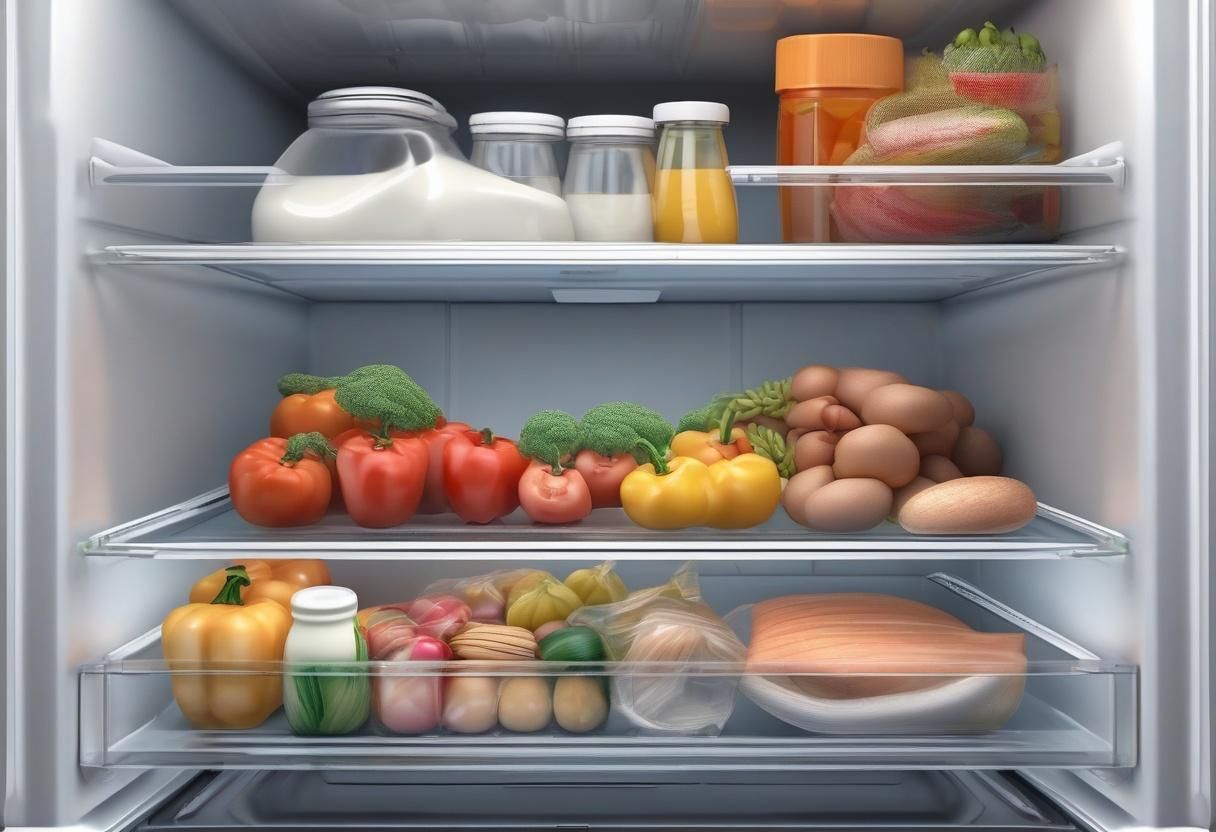
Where is the coldest part of the fridge?
The coldest part of the fridge is typically the back section, especially on the bottom shelves. Cold air sinks, so the temperature is usually lower in these areas compared to the doors and top shelves.
This is crucial for proper food storage because different items require different temperatures to stay fresh.
Fruits and vegetables should be stored in the crisper drawers where humidity is controlled. For meats and dairy, keeping them on the bottom shelves ensures that they stay coldest, extending their freshness.
Understanding fridge temperature zones
Refrigerators operate based on temperature zones, and understanding these can help you optimize food storage.
Here’s a basic breakdown:
- Top Shelves: These are warmer areas and often used for items like leftovers, pre-prepared meals, and drinks.
- Middle Shelves: Ideal for dairy products, eggs, and condiments.
- Bottom Shelves: These are the coldest spots great for meat and poultry, keeping them at a safe temperature.
- Crisper Drawers: Designed for fruits and vegetables, maintaining a slightly higher humidity level.
- Fridge Doors: The warmest part; best for condiments and items that can tolerate slightly higher temperatures.
Tips for optimizing your fridge placement
To maximize the efficiency of your fridge, consider these suggestions:
- Don’t overcrowd the fridge; allow air to circulate.
- Keep an eye on expiry dates and regularly clean out items that may spoil.
- Avoid placing hot foods directly in the fridge; let them cool to room temperature first.
- Use a fridge thermometer to regularly check temperatures and adjust settings if necessary.
Best practices for food storage
To ensure the longevity of your perishable items, follow these food storage practices:
- Store raw meat in a separate container to prevent cross-contamination.
- Keep fruits and vegetables separated as some fruits produce ethylene, which can spoil vegetables faster.
- Be mindful of remove items periodically to ensure nothing is forgotten.
Related storage queries
If you’re curious about food storage, you might find the following topics helpful:
- How long do scallops last in the fridge?
- How long are baked beans good for in the fridge?
- How long does queso last in the fridge?
- How long do chicken wings last in the fridge?
Conclusion
Understanding where the coldest part of the fridge is can significantly affect the longevity and safety of your food. By organizing your fridge based on temperature zones, you can ensure that your perishables remain fresh longer.
Monitor storage conditions and adjust according to seasonal changes or usage patterns to maintain food quality.