Which gas is used in fridge: Essential guide for refrigeration
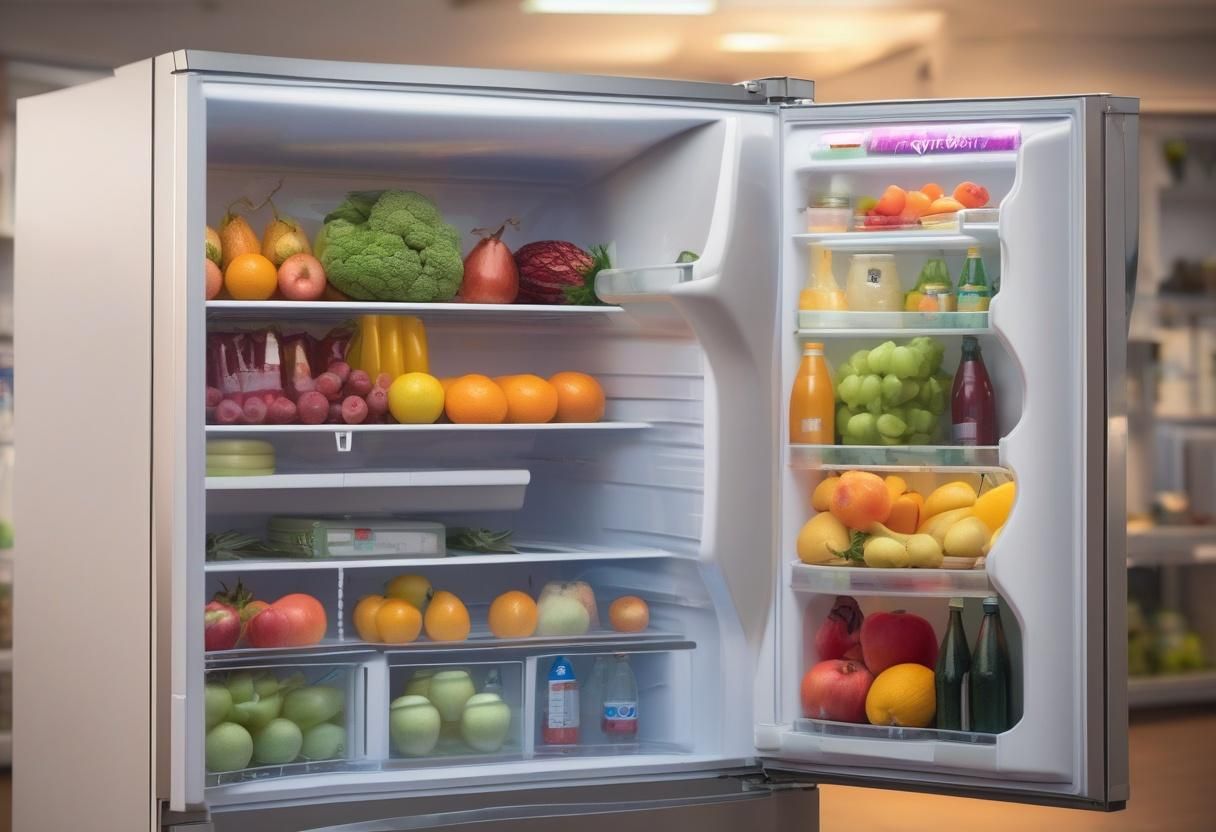
Which gas is used in fridge
Refrigerators primarily use refrigerants to cool the interior and preserve food. The most common gases used are R-134a, R-600a (isobutane), and R-290 (propane). These refrigerants absorb heat from inside the fridge and release it outside, maintaining a cool environment for food storage.
Refrigerants undergo a cycle of compression, condensation, and evaporation, allowing them to change states and facilitate cooling. Understanding which gas is used in fridges can help you recognize maintenance needs and the environmental impact of certain refrigerants.
Types of gases used in refrigerators
- R-134a: A hydrofluorocarbon (HFC) refrigerant widely used in domestic refrigerators due to its efficiency.
- R-600a (Isobutane): An environmentally friendly option, R-600a is becoming increasingly popular for household fridges.
- R-290 (Propane): Also gaining traction, R-290 is efficient and has low global warming potential.
Environmental Considerations
The choice of refrigerant impacts both the environment and efficiency. While many older models contain refrigerants that deplete the ozone layer, modern units are shifting to safer alternatives.
For instance, R-134a has been phased out in some regions due to its high global warming potential. Instead, manufacturers are adopting R-600a or R-290, which have a higher safety profile and lower environmental impact.
Maintaining refrigerant efficiency
To keep your refrigerator running smoothly, regularly check for leaks and ensure that the appliance is well maintained. Poor maintenance can lead to inefficient cooling and potential damage to the refrigerant system.
For refrigerator owners, understanding the type of refrigerant used in your model helps in making informed decisions regarding repairs and potential upgrades. Consult your appliance manual for specific refrigerant information.
Tendencias:
➜ California subirá su salario mínimo a US$17,40 en 2027: el cambio también eleva a US$72.384 el umbral para ciertos empleados
➜ ¿Le faltan semanas para pensionarse? Tres fallos de 2026 aclaran cuándo deben contarlas aunque el empleador no haya pagado
➜ FOMAG alerta por patrones anómalos en incapacidades: qué pasa con más de 340.000 docentes
Conclusion
In summary, recognizing which gas is used in fridge systems is essential for maintaining efficiency and understanding environmental impacts. Familiarizing yourself with refrigerant types can aid your decision-making when purchasing or servicing refrigerators in your home.
For more interesting facts about food storage, check out these resources: How long do scallops last in the fridge, How long are baked beans good for in the fridge, How long do cooked beets last in the fridge, and How long does queso last in the fridge.