Which gas keeps water cool in fridge: Ultimate guide to refrigeration
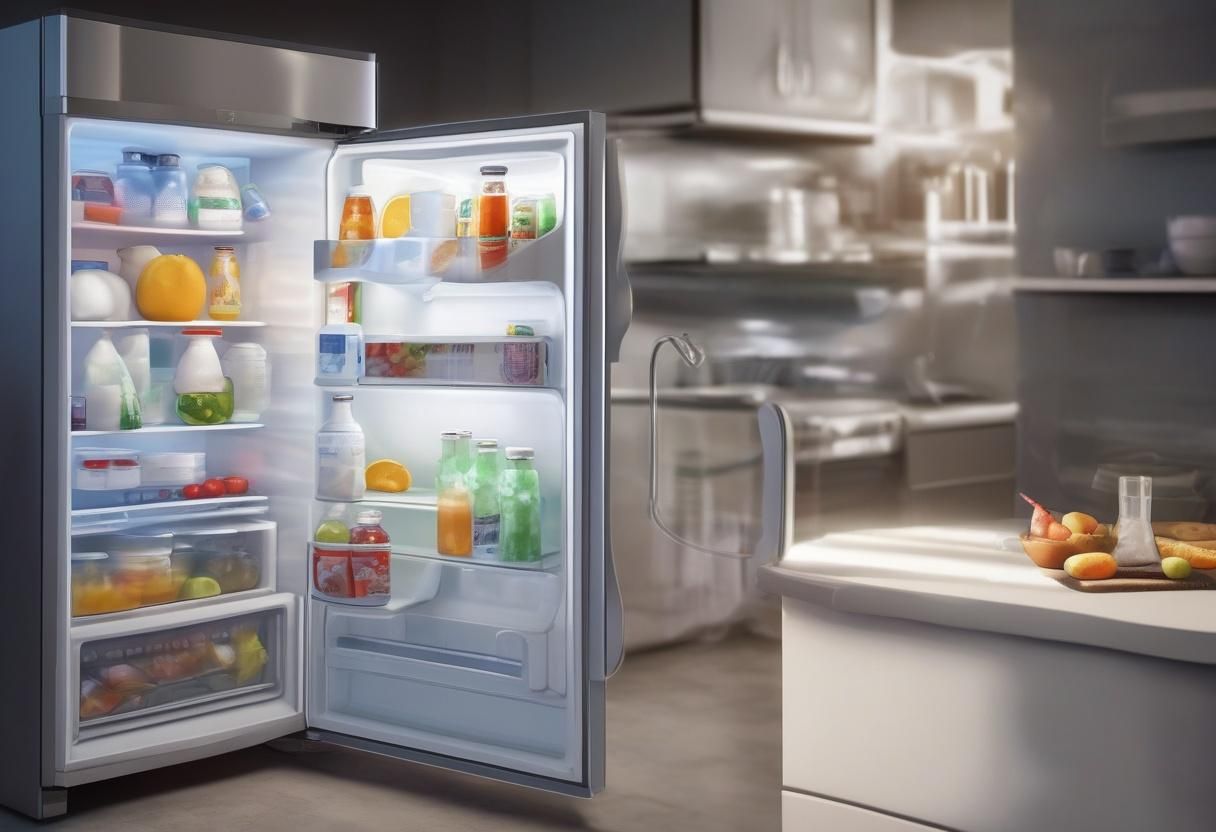
Which gas keeps water cool in fridge
The gas that keeps water cool in a fridge is typically a refrigerant. Refrigerants are substances used in the refrigeration cycle, mainly comprised of gases like R134a, R600a (isobutane), or more recently, R290 (propane). These gases absorb heat from the interior of the fridge and release it outside, keeping your food and beverages cold.
The process involves the refrigerant cycling through various phases: it evaporates to absorb heat, then condenses to release it. Understanding which gas is utilized in a specific fridge model is crucial because it impacts efficiency and environmental factors.
In modern fridges, environmentally friendly gases are increasingly used to reduce carbon footprints while efficiently maintaining low temperatures.
How does refrigeration work?
Refrigeration is based on thermodynamics. The refrigeration cycle consists of compression, condensation, expansion, and evaporation of the refrigerant:
- Compression: The refrigerant gas is compressed, raising its pressure and temperature.
- Condensation: The hot gas then moves through coils in the back of the fridge, where it releases heat to the surroundings and condenses into a liquid.
- Expansion: This liquid refrigerant expands and cools as it passes through an expansion valve.
- Evaporation: The cold refrigerant absorbs heat from the fridge’s interior, turning back into a gas and repeating the cycle.
Types of refrigerants
Different gases are used as refrigerants, each with its unique properties. Here are some common refrigerants and their characteristics:
- R134a: This hydrofluorocarbon (HFC) is efficient and widely used but has a relatively high global warming potential (GWP).
- R600a (Isobutane): A natural refrigerant with low environmental impact. It’s becoming popular in domestic fridges due to its low energy consumption and environmental friendliness.
- R290 (Propane): Another natural refrigerant with excellent thermodynamic properties, used in commercial refrigeration systems.
- R410A: A blend of HFCs, commonly found in air conditioning units. It has better energy efficiency but higher GWP compared to natural refrigerants.
Choosing the right fridge for your needs
When selecting a refrigerator, consider:
Tendencias:
➜ California subirá su salario mínimo a US$17,40 en 2027: el cambio también eleva a US$72.384 el umbral para ciertos empleados
➜ ¿Le faltan semanas para pensionarse? Tres fallos de 2026 aclaran cuándo deben contarlas aunque el empleador no haya pagado
➜ FOMAG alerta por patrones anómalos en incapacidades: qué pasa con más de 340.000 docentes
- Energy efficiency rating: Look for models certified by ENERGY STAR.
- Refrigerant type: Opt for fridges that use eco-friendly refrigerants.
- Size and layout: Ensure it fits your space and meets your storage needs.
Be aware of regulations regarding refrigerants in your area, as laws may dictate the types permitted based on environmental concerns.
Impact of refrigerants on the environment
Using gases with high GWP contributes to global warming when released into the atmosphere. It’s crucial to handle refrigerants responsibly—proper disposal and recycling can minimize their environmental impact.
Related articles
- How long do scallops last in the fridge?
- How long are baked beans good for in the fridge?
- How long do cooked beets last in the fridge?
- How long does queso last in the fridge?
Conclusion
Understanding the type of gas that keeps water cool in your fridge and how refrigeration works helps make informed choices regarding your appliances. Opting for fridges with eco-friendly refrigerants can significantly reduce your carbon footprint. Always check product specifications to ensure you’re making an environmentally conscious decision.