Yakutia 50 degrees below zero: How is life in the coldest city in the world?
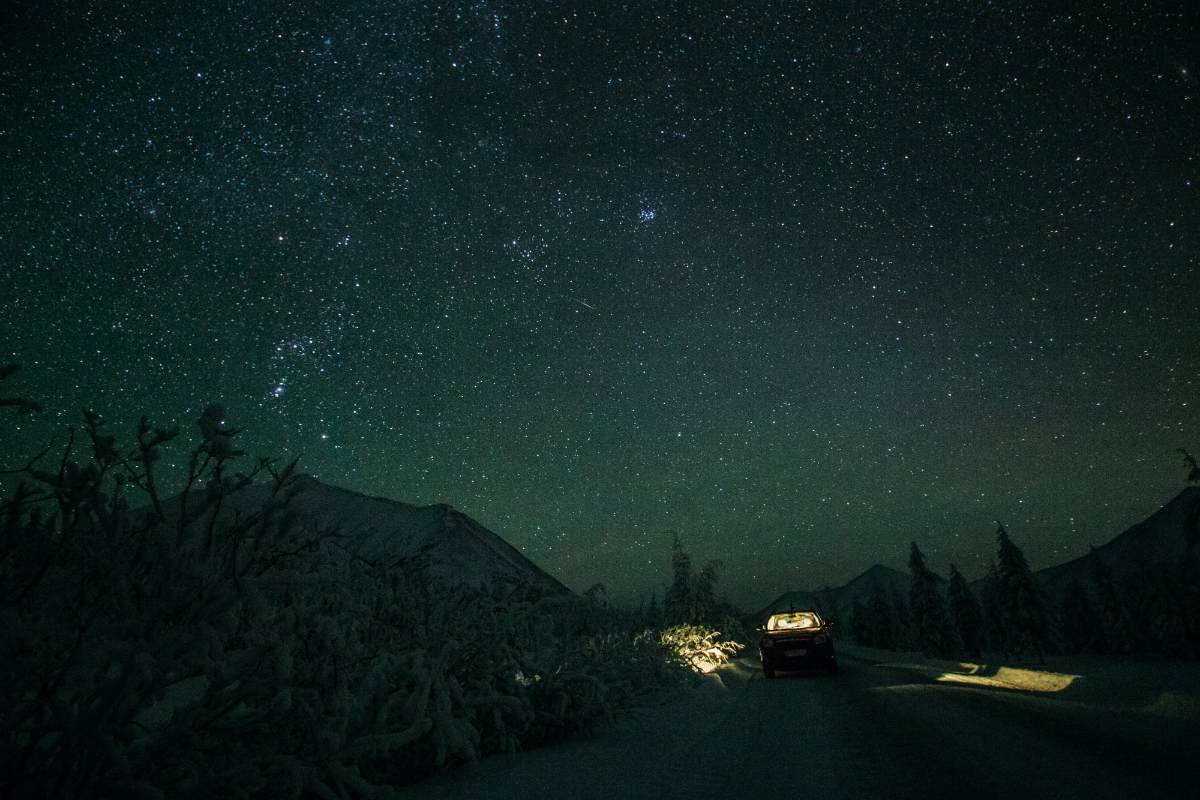
This frigid expanse is none other than Yakutia, a region renowned for its bone-chilling winters, where mercury can dip to an astonishing 50 degrees below zero Celsius. In this article, we delve into the extraordinary world of Yakutia, exploring the remarkable ways in which its inhabitants not only survive, but thrive, in the midst of such severe cold. From age-old traditions to modern adaptations, join us on a journey to discover the secrets of life in the coldest city on Earth.
Table of Contents
Location and Demographics
Yakutia, officially known as the Sakha Republic, is situated in the northeastern part of Russia. It is the largest region in the country, covering an area greater than most countries in Europe. Despite its vastness, Yakutia is sparsely populated, with around 1 million inhabitants. The capital city, Yakutsk, is the largest city in the region.

The Saja People
The indigenous people of Yakutia are known as the Saja, or Yakuts. They have a rich cultural heritage that is deeply intertwined with the harsh environment they inhabit. Traditionally, the Saja were nomadic herders, relying on the vast tundra for their survival. Today, they play a vital role in the cultural fabric of the region and have preserved many of their unique traditions.
Adapting to Extreme Climates
Yakutia is renowned for having one of the most extreme climates in the world. Winters are brutally cold, with temperatures often dropping below -40°C and sometimes even lower. This severe climate has shaped every aspect of life in Yakutia, from architecture designed to withstand extreme cold to clothing crafted for insulation.
What happened when temperatures drop up to -40°C
Instant Freezing of Boiling Water: At -40 degrees Fahrenheit or Celsius, boiling water thrown into the air will freeze almost instantly, creating a dramatic effect of water turning into ice crystals mid-air.
Frozen Eyelashes and Facial Hair: Moisture from breath and sweat can quickly freeze on facial hair and eyelashes, creating a frosty, icy coating. This can be both surprising and visually striking.
Tire Thumping: Extremely cold temperatures can cause tires to become rigid and less flexible, resulting in a distinctive thumping sound when driving. This happens because the rubber hardens in the cold.
Frost Flowers: In exceptionally cold conditions, when moisture in the air comes into contact with objects like branches or grass, it can freeze and form delicate, intricate ice formations known as frost flowers.
Singing and Squeaking Snow: In extremely cold weather, snow can take on a unique texture. When stepped on, it can emit a squeaking sound, a phenomenon known as “snow squeak.” This happens due to the crystalline structure of the snow.
Contraction of Metal Objects: Metals contract in extreme cold, which can lead to peculiar sounds like creaking or cracking in structures or objects made of metal.

Impact on Daily Life
The extreme climate of Yakutia significantly impacts day-to-day activities. Inhabitants need to be well-prepared and resourceful to navigate the challenges posed by the weather. Simple tasks, like transportation and ensuring a stable food supply, can become complex undertakings. However, the strength of the yakut people allowed them to master these extreme conditions and enjoy life.
What do people do in this extreme climate?
Ice Fishing: Yakutia’s frozen rivers and lakes become a popular location for ice fishing during the long winter months. Anglers brave the icy temperatures to catch fish like Arctic grayling, pike, and perch.
Dog Sledding: Dog sledding is a traditional mode of transportation and a popular recreational activity in Yakutia. Sled dogs are well-suited to the cold climate and are used for both practical purposes and for thrilling rides through the snowy landscapes.
Building with Permafrost in Mind: Due to the presence of permafrost in much of the region, construction techniques in Yakutia are specialized to account for this. Buildings are often elevated on piles to prevent thawing of the underlying frozen ground.
Traditional Winter Festivals: The extreme cold does not deter the people of Yakutia from celebrating their rich cultural heritage. Traditional festivals like Ysyakh involve outdoor festivities, including music, dance, and games, even in freezing temperatures.
They do it all: People are so used to the weather that they go to work, go for walks to the park and shopping no matter how cold it is outside. (Yakuts, capital city of The Saja Republic has a total population of 328 493 people (33.9% of the population of the Republic).
The traditional clothing of the Saja people is designed to provide maximum insulation against the cold. This includes heavy fur-lined coats, boots, and distinctive fur hats known as “ushankas”. These garments are crucial for staying warm during the bitter winters.

Getting to Yakutia from the U.S.A
Reaching Yakutia from the United States involves several flights and can be a considerable journey. Typically, travelers from the U.S.A. would first fly to a major Russian city like Moscow or Vladivostok. From there, they would take a connecting flight to Yakutsk, the capital of Yakutia. The journey can take upwards of 20 hours, depending on layovers and flight schedules.
Yakutia stands as a testament to the resilience of both its people and its natural environment. It is a land of extremes, where life is shaped by the formidable challenges of its climate. Yet, within this harsh landscape, there exists a rich cultural heritage and a deep connection to the land. For those willing to embark on the journey, Yakutia offers an experience that is both awe-inspiring and humbling.
You may be interested In The Tartarian Empire